
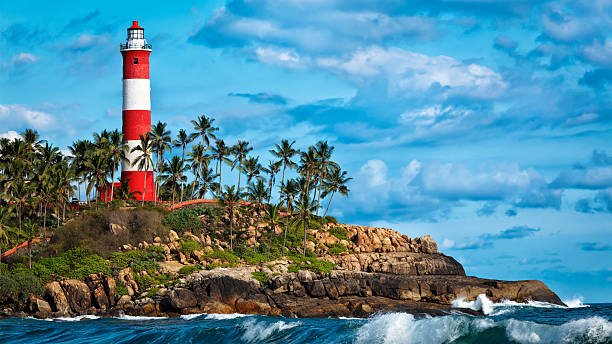
Kovalam lighthouse and coastline

๐Ÿชท Private tour planning ยท Established 1991

Kerala Temple & Cultural Tour

Where gods whisper through temple bells, backwaters hum ancient mantras, and every meal tells a story older than memory. A private, tailored to your written quotation journey into the soul of God's Own Country.
1991
Established
On request
Guide language
100%
Private Tours

Kerala cultural tour destination

Southern Kerala, coastal heritage and Kanyakumari

This six-day private journey begins in Thiruvananthapuram, continues to Kovalam and Kanyakumari, and returns to Thiruvananthapuram. It combines city heritage, temple traditions and time beside the coast in southern Kerala and Tamil Nadu.

Plan eligible temple visits around dress requirements and opening hours. In Kovalam, enjoy the lighthouse coastline at your own pace. In Kanyakumari, plan the seafront, memorials and sunrise around weather and ferry operation. Ask for alternatives if temple access or ferry conditions do not suit your group.

The wider Kerala destinations below are ideas for a longer customised tour. Kochi, Thrissur, Palakkad and an Alleppey houseboat are not included in the six-day core circuit. Your accepted quotation confirms the exact route, hotels, guides, meals, tickets, transfers and optional experiences.

Tour at a glance

Duration: 6 days / 5 nights
Route: Thiruvananthapuram โ†’ Kovalam โ†’ Kanyakumari โ†’ Thiruvananthapuram
Regions: Southern Kerala and Tamil Nadu
Price: Request a written quotation

Guide language, hotel names, meals and activities are confirmed in the quotation.

Kerala cultural experiences and optional extensions

Explore these ideas when planning a longer customised Kerala tour. Experiences outside Thiruvananthapuram, Kovalam and Kanyakumari require additional days and a separate quotation.

01
๐Ÿ›•
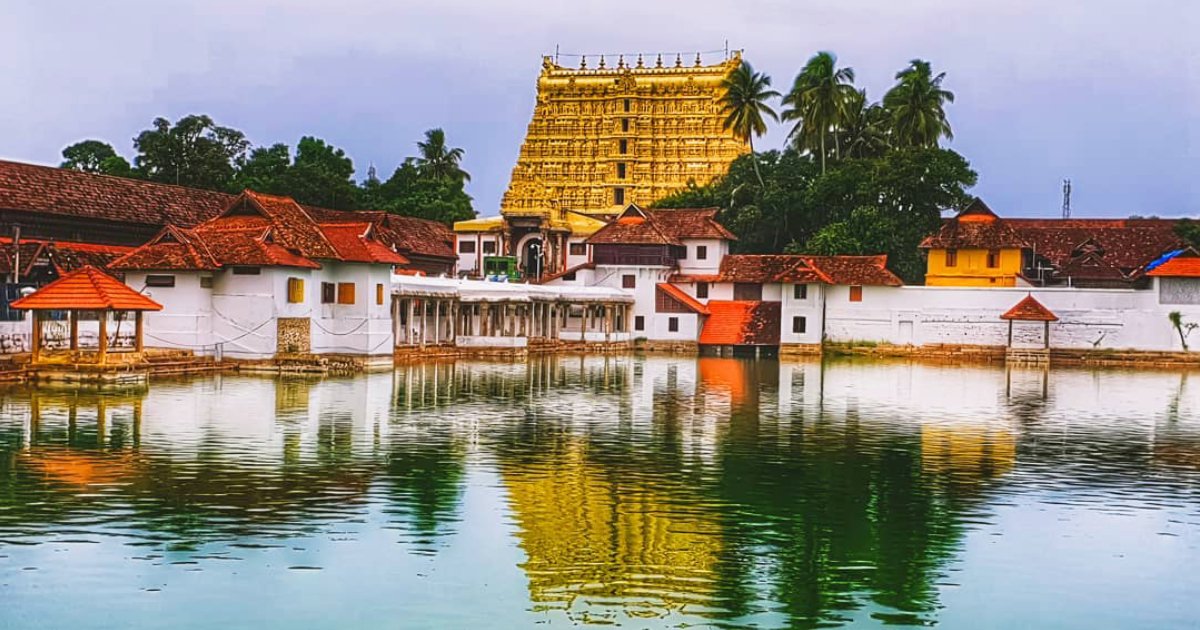
Padmanabhaswamy Temple, Thiruvananthapuram
Home to one of the world's wealthiest and most architecturally magnificent temples, blending Kerala and Dravidian styles in a breathtaking fusion. The deity rests on Adi Shesha โ€” a five-kilometre-long divine serpent โ€” visible only through three doors, each framing a different part of the cosmic form.

๐Ÿ“ View on Map โ†’

02
๐ŸŽญ
Kathakali โ€” The Living Epic
Watch a Kathakali artist spend three hours transforming into a deity or demon โ€” the makeup alone is an art form. We arrange intimate performances where you can meet the artists backstage and learn the extraordinary grammar of hand gestures called mudras. A theatrical tradition over 500 years old, still vibrantly alive.

๐Ÿ“ View on Map โ†’

03
๐Ÿšค
Private Backwater Houseboat, Alleppey
Drift through a 900km labyrinth of canals, lakes, and rivers on a traditional kettuvallam โ€” a hand-crafted rice barge converted into a floating home. Watch village life unfold from the water: children swimming, fishermen casting nets, toddy tappers climbing palms. Your private chef cooks fresh-caught fish on board.

๐Ÿ“ View on Map โ†’

04
๐Ÿ˜
Thrissur Pooram โ€” Kerala's Greatest Festival
If your dates align (April/May), Thrissur Pooram is arguably the most spectacular temple festival on earth. Over one hundred caparisoned elephants, competing percussion orchestras, and fireworks displays that last until dawn. We arrange privileged viewing positions and explain every ritual as it unfolds around you.

๐Ÿ“ View on Map โ†’

05
๐ŸŒฟ
Spice Garden Walk, Thekkady
Kerala was the original spice coast โ€” the reason Arab, Chinese, and European traders spent centuries trying to find it. Walk through a working spice garden with a farmer-guide who will let you crush cardamom, taste fresh pepper, and smell the difference between seven varieties of ginger. The history of global trade told through your senses.

๐Ÿ“ View on Map โ†’

06
๐Ÿ•
Fort Kochi โ€” Where Civilisations Met
In a single morning's walk through Fort Kochi, you pass a 16th-century Portuguese church, a 450-year-old Jewish synagogue (the oldest in the Commonwealth), a Dutch palace, a Chinese fishing net installation, and a mosque โ€” all within half a kilometre. This is where Kerala's extraordinary spirit of synthesis is most visible.

๐Ÿ“ View on Map โ†’

Southern Kerala highlights and optional longer-route inspiration

Optional extension ยท The Sacred Capital

Thiruvananthapuram

The capital of Kerala takes its name from Thiruvanantha โ€” “the sacred serpent” โ€” and the city has been a centre of pilgrimage for millennia. At its heart stands Padmanabhaswamy Temple, a marvel of Dravidian architecture whose gopuram (tower) rises 30 metres above the city's roofline. The temple has been in continuous worship for at least 1,000 years, though local tradition dates it to the Dvapara Yuga โ€” an age of mythology that preceded recorded history.

Beyond the temple, Thiruvananthapuram holds the Kerala Museum with its extraordinary Nayar bronze collection, the Napier Museum with its Dutch Baroque architecture, and the Kuthiramalika Palace โ€” home to 122 carved wooden horses running along its frieze, one of Kerala's finest examples of traditional architecture.

๐Ÿ” Hidden Gem
The Crypts of Padmanabhaswamy
In 2011, six vaults beneath the temple were opened after centuries. Five yielded treasure estimated at over $20 billion โ€” golden idols, jewelled thrones, diamonds, and coins from ancient trade routes. A sixth vault (Vault B) remains sealed. Temple priests say it bears a snake symbol that can only be opened by a specific Vedic chant โ€” and no living priest knows it. The Supreme Court of India has ordered it remain closed. Some truths are meant to stay hidden.

Optional extension ยท The Cosmopolitan Port

Optional extension: Kochi (Cochin)

If Thiruvananthapuram is Kerala's spiritual heartland, Kochi is its crossroads of civilisations. For over 600 years, every major maritime power โ€” the Chinese, Arabs, Portuguese, Dutch, and British โ€” arrived here and left their mark. The result is a city that feels unlike anywhere else in India: St Francis Church (built 1503, the oldest European church in India), the Dutch Mattancherry Palace with its extraordinary murals depicting the Ramayana in vivid Kerala fresco style, and the Paradesi Synagogue โ€” a jewel of a building whose floor is paved with hand-painted Chinese tiles, each unique.

For contemporary culture, the Kochi-Muziris Biennale โ€” Asia's largest art festival, held every two years โ€” has transformed Fort Kochi into a year-round gallery district. Even outside Biennale years, the streets and warehouses are full of art.

๐Ÿ” Hidden Gem
The Last Jewish Jewellers of Jew Town
Paradesi Synagogue sits at the end of Jew Town Road, where antique dealers and spice merchants crowd narrow streets. But few visitors realise that Kochi's Jewish community, once 2,500 strong, now numbers fewer than ten elderly individuals. Visit the synagogue, then find Abraham Barak Salem's old family home nearby โ€” a poignant, quiet reminder of a 2,400-year-old community that came to Kerala before the diaspora had a name for itself.

Optional extension ยท The Cultural Capital

Optional extension: Thrissur & Guruvayur

Thrissur is considered the cultural capital of Kerala, and its heart is Vadakkunnathan Temple โ€” an ancient Shiva shrine enclosed by a circular compound wall that has been worshipped for over 2,000 years. This is where the great Thrissur Pooram festival takes place each April or May, when rival temples bring their processions of decorated elephants to a face-off that has been described as the “greatest show on earth.” Even outside festival season, Vadakkunnathan carries a serene, overwhelming weight of history.

Just 29km away is Guruvayur, home to the Sri Krishna Temple โ€” one of the most important Vaishnavite shrines in India and home to the largest captive elephant herd in the world. The temple elephants (known as Guruvayur Ekam) are revered as divine โ€” they receive names, medical care, and retirement. Meeting them is a genuinely extraordinary encounter.

๐Ÿ” Hidden Gem
Punnathur Kotta โ€” The Elephant Palace
Three kilometres from Guruvayur Temple lies Punnathur Kotta, a 17th-century palace that is now home to over 60 temple elephants. Arrive at dawn for their bathing ritual โ€” a spectacular, deeply moving scene. The mahouts (elephant keepers) come from hereditary families who have managed the same animals for generations. If you approach respectfully through our guide, some mahouts will share stories about individual elephants' personalities that will astonish you.

Optional extension ยท The Floating World

Optional extension: Alleppey & the Backwaters

Alleppey (Alappuzha) is the gateway to Kerala's legendary backwater network โ€” a 900-kilometre web of canals, rivers, lakes, and lagoons that runs parallel to the coast. The backwaters are not simply a scenic attraction; they are a complete civilisation. People here farm, fish, worship, celebrate weddings, and bury their dead all around the water. The architecture, food, and daily rhythms of backwater villages are entirely distinct from the rest of Kerala.

We arrange a private houseboat (kettuvallam) โ€” a traditional rice barge built from bamboo poles, coconut fibre, and palm โ€” for your exclusive use overnight. Your personal crew includes a captain, chef, and host. As you glide through narrow canals where children wave from rope bridges and water hyacinths bloom violet in every direction, you will understand why travellers struggle to find words for this place.

๐Ÿ” Hidden Gem
The Champakulam Snake Boat Race
Most visitors know the famous Nehru Trophy Boat Race โ€” but the Champakulam Moolam Boat Race, held in July on the Pampa River, is older (dating to 1107 AD) and far less crowded. The 100-foot snake boats (chundan vallam) carry 100 rowers each. The race is preceded by a temple festival honouring a deity brought by boat from Aranmula โ€” and the atmosphere in the village the night before is something tourist brochures have never captured.

Optional extension ยท The Heritage Village

Optional extension: Palakkad & Kalpathy

Most international visitors never reach Palakkad, which is precisely why we include it. The Kalpathy Ratholsavam โ€” a 500-year-old temple chariot festival held in November โ€” draws colossal wooden chariots (rathas) through streets of 18th-century Brahmin houses that have barely changed in two centuries. Kalpathy is a UNESCO-listed heritage village, and it remains deeply, authentically lived-in: not a museum exhibit, but a place where families have occupied the same homes, worshipped the same gods, and cooked the same recipes for generations.

The Malampuzha Dam and Garden nearby offers a surprising contrast โ€” a modernist sculpture garden by Kerala's celebrated artist Kanayi Kunhiraman set against the hills of the Western Ghats.

๐Ÿ” Hidden Gem
The Agraharam Streets of Kalpathy
Walk the agraharam (Brahmin street) of Kalpathy at dusk. The houses have front verandahs called thinnai where elders sit in the evenings, and families perform the evening lamp-lighting ritual (sandhya vandanam) simultaneously along the entire street. The sound of conch shells, the smell of incense, and the sight of oil lamps flickering in every doorway simultaneously โ€” it is one of those moments that resets your understanding of what India is.

Eat Kerala โ€” Six Dishes With Centuries of Story

Kerala cuisine is one of the world's great undiscovered culinary traditions. Built on coconut, spice, and the sea, it is at once deeply nourishing and electrifyingly complex. Here are the dishes you will encounter โ€” and the stories no menu ever tells you.

๐Ÿƒ
Kerala Sadhya
The grand vegetarian feast served on a banana leaf โ€” up to 28 dishes arranged in a precise, traditional order. Each item has a specific position, a specific role, and is eaten in a specific sequence. Getting it wrong is considered disrespectful; getting it right is a form of communion.
Story: The Sadhya is traditionally served at Onam harvest festival to represent the mythological king Mahabali's return. According to legend, Mahabali was a just ruler exiled by the gods โ€” and every Onam, Keralites welcome him home through their feasting and celebration.

๐Ÿฅ˜
Malabar Biryani
Kerala's biryani uses Kaima rice โ€” a short-grained, intensely fragrant variety grown only in Wayanad district. Unlike Hyderabadi or Lucknowi biryanis, it is lighter, uses more whole spices, and carries a distinct sweetness from fried onions and ghee. The Moplah Muslim community of Malabar brought Arab cooking techniques that transformed Kerala's rice culture.
Story: Malabar Biryani descended from the cooking of Arab traders who settled along Kerala's coast over 1,400 years ago. The Moplah community (Kerala Muslims of Arab descent) created a cuisine that fused Arab spices with local coconut and seafood in ways found nowhere else in India.

๐ŸŸ
Karimeen Pollichathu
The pearl spot fish โ€” found only in Kerala's backwaters โ€” is marinated in a paste of chilli, turmeric, and shallots, then wrapped in banana leaf and slow-cooked over a wood fire. The banana leaf imparts a faintly sweet, smoky flavour that permeates the fish entirely. It is difficult to overstate how good this is.
Story: Karimeen (pearl spot fish) is so important to Kerala's backwater culture that it has been declared the State Fish. Backwater fishermen have complex traditional knowledge of tidal cycles and water salinity that determines where karimeen are found on a given day โ€” knowledge passed down orally through generations.

๐ŸŒฟ
Appam with Stew
Perhaps Kerala's most beloved breakfast: rice flour pancakes fermented overnight to create crisp, lacy edges and a pillowy soft centre โ€” paired with a fragrant coconut milk stew of vegetables or chicken. The contrast of crisp and cloud-soft in a single mouthful is one of those culinary experiences you chase for years after.
Story: Appam's fermentation technique is thought to have been influenced by Syrian Christian communities in Kerala who arrived from the Middle East in 52 AD โ€” making this one of the world's oldest fusion dishes. The Syrian Christians of Kerala maintain records of their arrival predating most European nations.

โ˜•
Kerala Chai & Pazham Pori
Kerala's spiced tea is a different creature from the North Indian chai โ€” lighter, more fragrant, brewed with local cardamom and ginger. Paired with pazham pori (ripe banana fritters dipped in a light rice batter and deep-fried), it is consumed at every roadside tea stall from dawn until midnight. An extraordinary simple pleasure.
Story: The banana in Kerala is taken with extraordinary seriousness. The state cultivates over 40 varieties of banana, each with specific culinary, ritual, and medicinal uses. The Nendran banana โ€” used for pazham pori โ€” is considered medicinal and is the only food permitted as offering at certain temples.

๐Ÿซ™
Achaar & Pickles of Kerala
Kerala's pickle tradition is its most underrated culinary art. Puli inji (ginger pickle with tamarind and jaggery), raw mango achaar with mustard and coconut oil, and prawn pickle in green chilli โ€” these are served in tiny portions but carry flavours of terrifying intensity. Every grandmother has a recipe that dies with her.
Story: Kerala's pickle tradition is deeply tied to its spice trade history. The same spices โ€” cardamom, pepper, ginger, turmeric โ€” that built Kerala's ancient wealth are used today in home kitchens exactly as they were two thousand years ago. Some pickle recipes in temple archives date to the 8th century.

The Living Myths of Kerala

Kerala's culture is so layered that most travel writing barely scratches the surface. These are the stories, beliefs, and traditions that our guides share โ€” and that guests remember long after photographs fade.

The Serpent Groves (Sarpa Kavu)

Almost every traditional Kerala home โ€” particularly among the Nayar caste โ€” has a small sacred grove in its garden called a sarpa kavu, dedicated to serpent deities. These are not simply decorative; they are functioning ecological sanctuaries. The practice means that thousands of plots of ancient forest have been preserved for centuries for spiritual reasons. Kerala's serpent-worship tradition (Nagadhipathyam) predates Hinduism as it is widely understood and may be one of the world's oldest surviving nature-worship traditions.

Theyyam โ€” Where the God Descends

In northern Kerala, a ritual performance called Theyyam takes place in small community shrines from October to May. An ordinary person โ€” often from a low-caste community โ€” is ritually transformed through elaborate costume, makeup, and hours of drumming into a deity. When the transformation is complete, the performer is no longer a man โ€” he is the god. Villagers prostrate before him, touch his feet, seek blessings. It is one of the few ritual traditions in Hinduism where caste hierarchy is temporarily inverted โ€” the lowest becomes the highest. We can arrange private Theyyam viewings in Kannur for those who wish to witness it.

Kolam โ€” The Mathematics of Devotion

Every morning before dawn, women in Kerala draw intricate geometric patterns (kolam or rangoli) on their doorsteps in rice flour. These are not merely decorative โ€” they are mathematical. The pattern must be drawn in a single continuous line without lifting the tool; the complexity increases according to the occasion; and the rice flour feeds ants and small creatures, embodying the principle of ahimsa (non-harm) as a daily act. Some scholars have traced the mathematical structure of kolam patterns to early computational theory.

The Oarsmen Who Are Also Priests

The snake boat races (vallamkali) that made Kerala famous internationally are not sporting events in the Western sense. They are re-enactments of a mythological battle, tied to specific temple deities, and the crews pray and fast before the race. The oarsmen who row the largest snake boats (100+ rowers in perfect synchrony) are also members of specific temple communities, and their participation is a form of devotional service. The victory of a boat is considered a blessing on the entire village.

Your six-day Kerala and Kanyakumari itinerary

Six days and five nights, starting and finishing in Thiruvananthapuram, with Kovalam and Kanyakumari stays. Kanyakumari is in Tamil Nadu. Driving times are estimates and vary with traffic and stops.

Optional extension ยท Arrive in Thiruvananthapuram

Airport transfer and a city orientation. Temple visits depend on eligibility, dress requirements and opening times. Overnight in Thiruvananthapuram.

Optional extension ยท Thiruvananthapuram to Kovalam

Short coastal transfer, then time at Lighthouse Beach. A cultural performance may be arranged if available and quoted. Overnight in Kovalam.

Optional extension ยท Kovalam to Kanyakumari

Cross into Tamil Nadu; allow approximately 2โ€“3 hours plus breaks. Plan local sightseeing around arrival time and ferry conditions. Overnight in Kanyakumari.

Optional extension ยท Explore Kanyakumari

Sunrise viewing is weather dependent. A visit to Vivekananda Rock Memorial or Thiruvalluvar Statue depends on ferry operation, queues and your chosen ticket. Overnight in Kanyakumari.

Optional extension ยท Return to Thiruvananthapuram

Allow approximately 2โ€“3 hours plus breaks. Add Napier Museum if its opening day and your arrival time permit. Overnight in Thiruvananthapuram.

Optional extension ยท Depart Thiruvananthapuram

Airport transfer according to your flight schedule.

Ask for this itinerary and a written quotation

Your package quotation: inclusions and exclusions

What can be arranged

Private transfers and sightseeing on the agreed route, accommodation and guides selected for your dates and budget. The exact hotel names, room category, meal plan, guide language, taxes and services are confirmed in the written quotation before payment.

Not included unless stated in your accepted quotation

Flights, visas, travel insurance, personal spending and meals beyond those listed in your quote. Entrance tickets, ferry rides, cultural performances and optional activities are excluded unless explicitly included in your accepted quotation.

Optional extensions need additional days and a separate quotation.

Questions before booking

Are hotels and prices fixed?

This is a private tour framework. Your quote confirms availability, hotel and room names, currency, payment schedule and cancellation terms.

Can I request a guide in my language?

Tell us your preferred language when enquiring. The quotation will confirm guide availability and any additional cost.

Can the route be adjusted?

Yes. Share your arrival and departure times, interests, budget and preferred pace so we can propose a practical itinerary.

What should I know about temple visits?

Eligibility, dress requirements, opening hours and photography rules vary. Ask for current arrangements and alternatives where entry is restricted.

Is the tour suitable for mobility needs?

Tell us your specific needs before booking. Steps, uneven surfaces, walking distances and vehicle access vary; we will discuss a suitable route and confirm arrangements.

Are flights, insurance and visas included?

These are arranged separately unless expressly listed in your accepted quotation. Optional activities, tickets and extra meals also need written confirmation.

Private tour planning ยท 35 Years ยท Private & tailored to your written quotation

Begin Your Kerala Journey Today

Every great journey begins with a single conversation. Tell us your dates, your interests, and your hopes for this trip. We will handle everything else โ€” with 35 years of experience and genuine care behind every arrangement.

Or call us directly: +91 97172 78522 ยท sanoliindiatour@gmail.com
New Delhi, India ยท GSTIN: 07AOJPS1151F4ZY