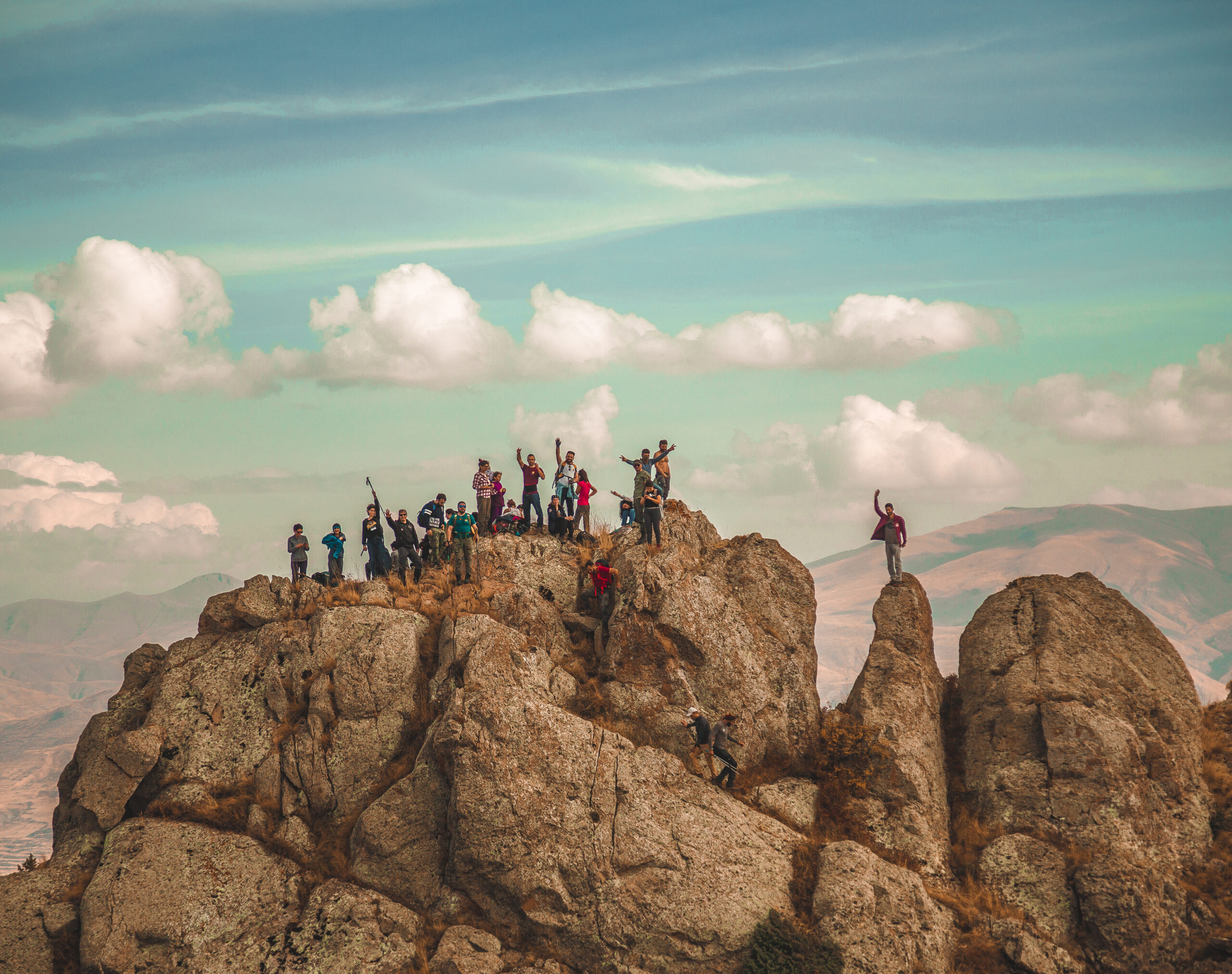
Trek to Hemkund Sahib Gurudwara at high altitude.
Dip in sacred lake for purification.
Visits to Valley of Flowers (seasonal).
Sikh kirtan sessions.
Himalayan scenic trails.
{
“@context”: “https://schema.org”,
“@type”: “TouristTrip”,
“name”: “Hemkund Sahib Gurudwara Yatra from Delhi”,
“description”: “Sacred Hemkund Sahib Yatra from Delhi — 4,329m Himalayan Gurudwara where Guru Gobind Singh ji meditated in a previous life, Valley of Flowers UNESCO site, Gobind Dham, Badrinath Dham. 8-day all-inclusive pilgrimage tour.”,
“url”: “https://sanoliindiatour.com/packages/hemkund-sahib-yatra-from-delhi”,
“image”: “https://sanoliindiatour.com/images/hemkund-sahib-hero.jpg”,
“touristType”: “Pilgrimage, Spiritual, Adventure”,
“itinerary”: {
“@type”: “ItemList”,
“itemListElement”: [
{“@type”:”ListItem”,”position”:1,”name”:”Delhi to Haridwar”},
{“@type”:”ListItem”,”position”:2,”name”:”Haridwar to Joshimath”},
{“@type”:”ListItem”,”position”:3,”name”:”Joshimath to Gobind Ghat / Ghangaria”},
{“@type”:”ListItem”,”position”:4,”name”:”Hemkund Sahib Trek & Darshan”},
{“@type”:”ListItem”,”position”:5,”name”:”Valley of Flowers UNESCO World Heritage”},
{“@type”:”ListItem”,”position”:6,”name”:”Badrinath Dham Darshan”},
{“@type”:”ListItem”,”position”:7,”name”:”Badrinath to Rishikesh”},
{“@type”:”ListItem”,”position”:8,”name”:”Rishikesh to Delhi”}
]
},
“provider”: {
“@type”: “TravelAgency”,
“name”: “Sanoli India Tours”,
“url”: “https://sanoliindiatour.com”,
“telephone”: “+919717278522”,
“email”: “sanoliindiatour@gmail.com”,
“address”: {
“@type”: “PostalAddress”,
“streetAddress”: “8, Suvidha Market, Netaji Nagar”,
“addressLocality”: “New Delhi”,
“addressRegion”: “Delhi”,
“addressCountry”: “IN”
}
},
“aggregateRating”: {
“@type”: “AggregateRating”,
“ratingValue”: “4.9”,
“reviewCount”: “88”,
“bestRating”: “5”
},
“offers”: {
“@type”: “Offer”,
“priceCurrency”: “INR”,
“availability”: “https://schema.org/InStock”,
“validFrom”: “2025-05-01”,
“validThrough”: “2025-10-31”
}
}
{
“@context”: “https://schema.org”,
“@type”: “BreadcrumbList”,
“itemListElement”: [
{“@type”:”ListItem”,”position”:1,”name”:”Home”,”item”:”https://sanoliindiatour.com”},
{“@type”:”ListItem”,”position”:2,”name”:”Pilgrimage Tours”,”item”:”https://sanoliindiatour.com/tour-packages?category=pilgrimage”},
{“@type”:”ListItem”,”position”:3,”name”:”Hemkund Sahib Yatra from Delhi”,”item”:”https://sanoliindiatour.com/packages/hemkund-sahib-yatra-from-delhi”}
]
}
{
“@context”: “https://schema.org”,
“@type”: “FAQPage”,
“mainEntity”: [
{
“@type”: “Question”,
“name”: “What is the best time to visit Hemkund Sahib?”,
“acceptedAnswer”: {“@type”:”Answer”,”text”:”Hemkund Sahib is open only from late May to mid-October each year. The peak bloom in Valley of Flowers occurs between late July and mid-August. For the combination of Hemkund darshan, full Valley of Flowers bloom, and manageable crowds, we recommend the window of mid-July to mid-August. Avoid the last two weeks of October when snowfall can close trails without notice.”}
},
{
“@type”: “Question”,
“name”: “How difficult is the Hemkund Sahib trek?”,
“acceptedAnswer”: {“@type”:”Answer”,”text”:”The trek from Ghangaria to Hemkund Sahib is 6 km each way, ascending from 3,050m to 4,329m — a gain of roughly 1,280 metres. The trail is steep, especially the final 2 km. It is classified as moderately strenuous. Fit adults, including seniors, complete it regularly. Mules and palkis (palanquins) are available at Ghangaria for those who need assistance. Altitude acclimatisation at Ghangaria for one night before the trek is strongly recommended.”}
},
{
“@type”: “Question”,
“name”: “Is Hemkund Sahib safe for elderly pilgrims?”,
“acceptedAnswer”: {“@type”:”Answer”,”text”:”Yes, with proper planning. We arrange an acclimatisation night at Ghangaria (3,050m) before the Hemkund trek. Mule and palki (palanquin) services are well-organised on the trail. The SGPC (Shiromani Gurdwara Parbandhak Committee) maintains medical posts with oxygen support at key points. We carry personal first-aid kits and our guides are trained in altitude sickness response. Pilgrims with serious heart or respiratory conditions should consult their physician before booking.”}
},
{
“@type”: “Question”,
“name”: “Can I combine Hemkund Sahib with Valley of Flowers?”,
“acceptedAnswer”: {“@type”:”Answer”,”text”:”Absolutely — and we strongly recommend it. Valley of Flowers is a 5 km trail from Ghangaria, opening into a 3,700m UNESCO World Heritage meadow containing over 500 species of Himalayan wildflowers. Our standard 8-day itinerary includes a dedicated full day for Valley of Flowers, separate from the Hemkund Sahib darshan day.”}
},
{
“@type”: “Question”,
“name”: “What is included in the Sanoli Hemkund Sahib Yatra package?”,
“acceptedAnswer”: {“@type”:”Answer”,”text”:”Our all-inclusive package covers: Delhi–Delhi transportation in air-conditioned private vehicle, accommodation at all overnight stops (guesthouses and hotels), all meals during the journey, trek support guide, personal porter for Hemkund trek, Badrinath darshan visit, Gobind Ghat boat crossing, all tolls and permits, 24-hour emergency support, and a detailed pre-departure briefing on altitude, packing, and route.”}
},
{
“@type”: “Question”,
“name”: “How do I get to Gobind Ghat from Delhi?”,
“acceptedAnswer”: {“@type”:”Answer”,”text”:”Gobind Ghat is approximately 500 km from Delhi. Our package uses private air-conditioned vehicles throughout. The journey follows: Delhi → Haridwar (overnight, Day 1) → Joshimath (Day 2) → Gobind Ghat, then trek to Ghangaria (Day 3). The Haridwar–Joshimath road section passes through Devprayag, Rudraprayag, and Karnaprayag — the sacred Panch Prayag confluences of the Ganga — making the drive itself a pilgrimage.”}
},
{
“@type”: “Question”,
“name”: “Is there langar (free community kitchen) at Hemkund Sahib?”,
“acceptedAnswer”: {“@type”:”Answer”,”text”:”Yes. The langar at Hemkund Sahib Gurudwara is one of the highest-altitude community kitchens in the world, operating at 4,329m. It serves simple, hot meals — typically dal, sabzi, and rotis — to all pilgrims regardless of faith, free of charge. It is managed by the SGPC and volunteers who carry supplies up the mountain each season. Partaking in the langar is a deeply moving experience that most non-Sikh pilgrims describe as a highlight of the entire yatra.”}
},
{
“@type”: “Question”,
“name”: “Can non-Sikhs visit Hemkund Sahib Gurudwara?”,
“acceptedAnswer”: {“@type”:”Answer”,”text”:”Hemkund Sahib warmly welcomes pilgrims of all faiths. There is no religious restriction. Visitors are expected to cover their heads (scarves or bandanas are fine), remove shoes before entering, and maintain respectful silence during kirtan (sacred singing). The Gurudwara provides head-coverings at the entrance. Our guides brief all guests on Sikh customs and etiquette before arrival.”}
}
]
}
/* ══════════════════════════════════════════════════════════ HEMKUND SAHIB — SACRED BLUE & SAFFRON THEME
Like standing at the lake edge at 4,329m at first light: The water is still and impossibly blue. The Nishan Sahib’s saffron flag moves in the thin air. The Gurudwara’s white star rises out of the mountain. Everything is quiet except the distant sound of kirtan carried down from the prayer hall across the water.
CSS PREFIX: hs (avoids WordPress class conflicts) ══════════════════════════════════════════════════════════ */ :root { /* ── Core backgrounds — always light ── */ –hs-white: #FFFFFF; –hs-ivory: #FFFDF7; –hs-cream: #FEF9EC; –hs-pale-saffr: #FFF4DC; –hs-pale-blue: #EDF6FF; –hs-snow: #F7FBFF;
/* ── Saffron / sacred gold ── */ –hs-saffron: #F27B16; –hs-saffron-d: #C45E05; –hs-gold: #E8A830; –hs-gold-pale: #FFF0C0; –hs-gold-glow: rgba(232,168,48,.18); –hs-saffr-glow: rgba(242,123,22,.15);
/* ── Sacred lake blue ── */ –hs-lake: #1A6FA3; –hs-lake-mid: #4A9EC9; –hs-lake-light: #A8D8F0; –hs-lake-pale: #D8EFFB; –hs-glacier: #E4F4FF;
/* ── Himalayan green ── */ –hs-pine: #2D6A4F; –hs-pine-pale: #E8F4EE;
/* ── Text — always dark on light ── */ –hs-text-dark: #1A1A1A; –hs-text-body: #2A2A3E; –hs-text-muted: #5A5A6E; –hs-text-light: #8A8A9A;
/* ── Typography ── */ –hs-serif: ‘Cormorant Garamond’, Georgia, serif; –hs-sans: ‘Nunito Sans’, system-ui, sans-serif; –hs-script: ‘Pinyon Script’, cursive; }
/* ══ RESET ══ */ .hs *, .hs *::before, .hs *::after { box-sizing: border-box; margin: 0; padding: 0; } .hs { font-family: var(–hs-sans); background: var(–hs-ivory); color: var(–hs-text-dark); overflow-x: hidden; line-height: 1.75; } .hs img { max-width: 100%; display: block; } .hs p { color: var(–hs-text-body); font-weight: 300; font-size: 15.5px; line-height: 1.95; } .hs strong { font-weight: 700; color: var(–hs-text-dark); } .hs a.hs-lnk { color: var(–hs-lake); text-decoration: underline; text-underline-offset: 2px; }
/* ══ ANIMATIONS ══ */ @keyframes hs-float { 0%,100%{transform:translateY(0) rotate(-1deg)} 50%{transform:translateY(-10px) rotate(1deg)} } @keyframes hs-rise { from{opacity:0;transform:translateY(30px)} to{opacity:1;transform:translateY(0)} } @keyframes hs-pulse { 0%,100%{opacity:.55} 50%{opacity:1} } @keyframes hs-breathe { 0%,100%{transform:scale(1)} 50%{transform:scale(1.04)} } @keyframes hs-shimmer { 0% { background-position: -200% center; } 100% { background-position: 200% center; } } @keyframes hs-spin-slow { from{transform:rotate(0deg)} to{transform:rotate(360deg)} } @keyframes hs-ripple { 0% { transform: scale(0.8); opacity:1; } 100%{ transform: scale(2.2); opacity:0; } } @keyframes hs-flag-wave { from { transform: skewX(0deg) scaleY(1); } to { transform: skewX(-5deg) scaleY(0.85); } } @keyframes hs-diya-flicker { 0%,100%{ opacity:.8; transform: scale(1) translateY(0); } 25% { opacity:1; transform: scale(1.1) translateY(-3px); } 75% { opacity:.6; transform: scale(0.9) translateY(2px); } } @keyframes hs-water-shimmer { 0%,100% { background-position: 0% 50%; } 50% { background-position: 100% 50%; } }
/* ══ SAFFRON TOP STRIP ══ */ .hs-top-strip { height: 6px; background: linear-gradient(90deg, var(–hs-saffron-d) 0%, var(–hs-gold) 20%, var(–hs-saffron) 40%, var(–hs-gold) 60%, var(–hs-saffron-d) 80%, var(–hs-gold) 100% ); background-size: 200% 100%; animation: hs-shimmer 4s linear infinite; }
/* ══ KHANDA FLOAT PARTICLES ══ */ .hs-particle-canvas { position: fixed; top:0; left:0; right:0; bottom:0; pointer-events: none; z-index: 0; overflow: hidden; } .hs-particle { position: absolute; top: -40px; font-size: 14px; opacity: 0; animation: hs-rise linear infinite; user-select: none; pointer-events: none; } @keyframes hs-particle-fall { 0% { transform: translateY(-40px) rotate(0deg); opacity: 0; } 10% { opacity: 0.5; } 90% { opacity: 0.25; } 100% { transform: translateY(105vh) rotate(540deg); opacity: 0; } } .hs-particle { animation: hs-particle-fall linear infinite; }
/* ══ HERO ══ */ .hs-hero { min-height: 100vh; background: linear-gradient(170deg, #FFFEF8 0%, #FFF8E6 20%, #FEF2D8 40%, #EAF5FF 75%, #D4EEFF 100% ); position: relative; overflow: hidden; display: flex; flex-direction: column; }
/* radial glow — sacred light from the lake */ .hs-hero::before { content: ”; position: absolute; top: 15%; left: 50%; transform: translateX(-50%); width: 800px; height: 600px; background: radial-gradient(ellipse, rgba(242,123,22,.14) 0%, rgba(26,111,163,.10) 50%, transparent 75% ); pointer-events: none; z-index: 0; animation: hs-breathe 6s ease-in-out infinite; }
/* CSS Himalayan silhouette for hero */ .hs-hero-mountains { position: absolute; bottom: 0; left: 0; right: 0; height: 300px; pointer-events: none; z-index: 1; overflow: hidden; } .hs-hm { position: absolute; bottom: 0; }
/* Peak — Nilkanth / Hemkund range */ .hs-hm-main { left: 50%; transform: translateX(-50%); width: 0; height: 0; border-left: 250px solid transparent; border-right: 250px solid transparent; border-bottom: 290px solid rgba(168,216,240,.50); filter: blur(1.5px); } .hs-hm-main::before { content: ”; position: absolute; bottom: 0; left: 50%; transform: translateX(-50%); width: 0; height: 0; border-left: 90px solid transparent; border-right: 90px solid transparent; border-bottom: 100px solid rgba(240,248,255,.88); } .hs-hm-left { left: 15%; width: 0; height: 0; border-left: 180px solid transparent; border-right: 180px solid transparent; border-bottom: 220px solid rgba(148,200,230,.42); filter: blur(1.5px); } .hs-hm-right { right: 12%; width: 0; height: 0; border-left: 160px solid transparent; border-right: 160px solid transparent; border-bottom: 195px solid rgba(138,195,228,.38); filter: blur(1.5px); } .hs-hm-far-left { left: -2%; width: 0; height: 0; border-left: 130px solid transparent; border-right: 130px solid transparent; border-bottom: 150px solid rgba(120,180,210,.30); filter: blur(2px); } .hs-hm-far-right { right: -2%; width: 0; height: 0; border-left: 140px solid transparent; border-right: 140px solid transparent; border-bottom: 160px solid rgba(115,178,208,.28); filter: blur(2px); } /* Foreground pine-green hills */ .hs-hm-hill-l { left: 0; bottom: 0; width: 420px; height: 120px; background: rgba(45,106,79,.22); border-radius: 50% 80% 0 0; } .hs-hm-hill-r { right: 0; bottom: 0; width: 400px; height: 100px; background: rgba(40,100,74,.18); border-radius: 80% 50% 0 0; } /* CSS Lake shimmer strip at base of mountains */ .hs-lake-strip { position: absolute; bottom: 0; left: 0; right: 0; height: 38px; background: linear-gradient(90deg, rgba(26,111,163,.25), rgba(74,158,201,.40), rgba(26,111,163,.25), rgba(74,158,201,.40) ); background-size: 200% 100%; animation: hs-water-shimmer 5s ease-in-out infinite; z-index: 2; }
/* CSS Nishan Sahib (Sikh flag pole) in hero */ .hs-nishan { position: absolute; right: 8%; top: 10%; z-index: 3; pointer-events: none; opacity: .18; } .hs-nishan-pole { width: 3px; height: 220px; background: linear-gradient(to bottom, var(–hs-gold), var(–hs-saffron)); margin: 0 auto; position: relative; } .hs-nishan-flag { position: absolute; top: 0; left: 3px; width: 80px; height: 52px; background: linear-gradient(135deg, var(–hs-saffron), var(–hs-gold)); clip-path: polygon(0 0, 100% 15%, 100% 85%, 0 100%); animation: hs-flag-wave .9s ease-in-out alternate infinite; transform-origin: left center; } .hs-nishan-khanda { position: absolute; top: 52px; left: -8px; font-size: 20px; color: var(–hs-saffron); }
/* Watermark text — “ਵਾਹਿਗੁਰੂ” (Waheguru) */ .hs-watermark { position: absolute; top: 50%; left: 50%; transform: translate(-50%, -50%); font-family: var(–hs-script); font-size: clamp(180px,28vw,380px); color: rgba(26,111,163,.05); white-space: nowrap; pointer-events: none; z-index: 0; user-select: none; line-height: 1; }
.hs-hero-inner { position: relative; z-index: 3; padding: 72px 28px 0; text-align: center; max-width: 940px; margin: 0 auto; }
.hs-hero-badge { display: inline-flex; align-items: center; gap: 9px; background: rgba(255,255,255,.78); backdrop-filter: blur(12px); border: 1px solid rgba(242,123,22,.35); padding: 7px 20px; border-radius: 100px; font-family: var(–hs-sans); font-size: 11px; font-weight: 800; letter-spacing: 3.5px; text-transform: uppercase; color: var(–hs-saffron-d); margin-bottom: 22px; box-shadow: 0 2px 14px rgba(242,123,22,.14); }
.hs-script-tag { font-family: var(–hs-script); font-size: clamp(22px, 3vw, 38px); color: var(–hs-saffron); display: block; margin-bottom: 10px; animation: hs-pulse 3.5s ease-in-out infinite; }
.hs-hero-h1 { font-family: var(–hs-serif); font-size: clamp(52px, 9vw, 120px); font-weight: 700; line-height: .92; color: var(–hs-text-dark); margin-bottom: 8px; letter-spacing: -3px; } .hs-hero-h1 em { font-style: italic; font-weight: 400; }
.hs-saffron-shine { background: linear-gradient(105deg, #C45E05 0%, var(–hs-gold) 30%, var(–hs-saffron) 50%, var(–hs-gold) 70%, #C45E05 100%); background-size: 200% auto; -webkit-background-clip: text; -webkit-text-fill-color: transparent; background-clip: text; animation: hs-shimmer 3.5s linear infinite; }
.hs-hero-sub { font-family: var(–hs-serif); font-size: clamp(17px, 2.2vw, 26px); font-weight: 400; font-style: italic; color: var(–hs-lake); display: block; margin-bottom: 22px; }
.hs-hero-desc { font-size: 17px; color: var(–hs-text-body); max-width: 600px; margin: 0 auto 36px; line-height: 2; font-weight: 300; }
/* STAT PILLS */ .hs-stat-pills { display: flex; justify-content: center; gap: 10px; flex-wrap: wrap; margin-bottom: 36px; } .hs-stat-pill { display: flex; align-items: center; gap: 9px; background: rgba(255,255,255,.82); backdrop-filter: blur(12px); border: 1px solid rgba(26,111,163,.25); padding: 9px 18px; border-radius: 100px; font-family: var(–hs-sans); font-size: 13px; font-weight: 600; color: var(–hs-text-body); box-shadow: 0 2px 12px rgba(26,111,163,.12); transition: transform .2s, box-shadow .2s; } .hs-stat-pill:hover { transform: translateY(-2px); box-shadow: 0 6px 20px rgba(26,111,163,.22); } .hs-stat-pill-icon { font-size: 20px; } .hs-stat-pill-alt { font-size: 11px; color: var(–hs-saffron); font-weight: 800; display: block; }
/* CTA BUTTONS */ .hs-hero-cta { display: flex; gap: 12px; justify-content: center; flex-wrap: wrap; margin-bottom: 64px; }
.hs-btn-primary { display: inline-flex; align-items: center; gap: 9px; padding: 16px 34px; background: linear-gradient(135deg, var(–hs-saffron), var(–hs-saffron-d)); color: #fff; font-family: var(–hs-sans); font-size: 14px; font-weight: 800; border-radius: 100px; text-decoration: none; box-shadow: 0 6px 24px rgba(242,123,22,.38); transition: transform .15s, box-shadow .15s; } .hs-btn-primary:hover { transform: translateY(-2px); box-shadow: 0 10px 32px rgba(242,123,22,.55); }
.hs-btn-secondary { display: inline-flex; align-items: center; gap: 8px; padding: 16px 30px; background: rgba(255,255,255,.88); backdrop-filter: blur(10px); color: var(–hs-text-dark); font-family: var(–hs-sans); font-size: 14px; font-weight: 600; border-radius: 100px; text-decoration: none; border: 1.5px solid rgba(26,111,163,.3); transition: all .15s; } .hs-btn-secondary:hover { background: #fff; border-color: var(–hs-lake-mid); }
/* HERO PHOTO */ .hs-hero-photo { position: relative; width: 100%; height: clamp(280px, 38vw, 490px); overflow: hidden; margin-top: auto; z-index: 3; } .hs-hero-photo img { width: 100%; height: 100%; object-fit: cover; } .hs-hero-photo::before { content: ”; position: absolute; top:0; left:0; right:0; height: 55%; background: linear-gradient(to bottom, rgba(255,252,242,.96), transparent); z-index: 1; pointer-events: none; } .hs-hero-photo-ph { width: 100%; height: 100%; background: linear-gradient(160deg, var(–hs-glacier), var(–hs-lake-pale)); display: flex; align-items: center; justify-content: center; flex-direction: column; gap: 10px; } .hs-hero-cap { position: absolute; bottom: 16px; right: 16px; z-index: 2; background: rgba(255,255,255,.90); backdrop-filter: blur(8px); color: var(–hs-text-body); font-size: 12px; padding: 6px 16px; border-radius: 100px; border: 1px solid rgba(26,111,163,.22); font-family: var(–hs-sans); letter-spacing: .5px; box-shadow: 0 2px 8px rgba(0,0,0,.08); }
/* ══ SAFFRON DIVIDER STRIP ══ */ .hs-saffron-strip { height: 5px; background: linear-gradient(90deg, transparent 0%, var(–hs-saffron) 15%, var(–hs-gold) 50%, var(–hs-saffron) 85%, transparent 100% ); opacity: .6; }
/* ══ TRUST STRIP ══ */ .hs-trust { background: linear-gradient(90deg, var(–hs-pale-saffr), var(–hs-cream), var(–hs-pale-saffr)); border-top: 2px solid rgba(242,123,22,.22); border-bottom: 2px solid rgba(242,123,22,.22); padding: 16px 28px; } .hs-trust-row { max-width: 1160px; margin: 0 auto; display: flex; justify-content: center; gap: 32px; flex-wrap: wrap; } .hs-trust-item { display: flex; align-items: center; gap: 8px; font-family: var(–hs-sans); font-size: 13px; color: var(–hs-text-body); } .hs-trust-item strong { color: var(–hs-saffron-d); font-weight: 800; } .hs-trust-dot { width: 5px; height: 5px; border-radius: 50%; background: var(–hs-saffron); }
/* ══ INNER ══ */ .hs-inner { max-width: 1160px; margin: 0 auto; padding: 0 28px; }
/* ══ SECTIONS ══ */ .hs-sec { padding: 80px 28px; background: var(–hs-ivory); } .hs-sec-cream { padding: 80px 28px; background: var(–hs-cream); } .hs-sec-blue { padding: 80px 28px; background: var(–hs-pale-blue); } .hs-sec-snow { padding: 80px 28px; background: var(–hs-snow); } .hs-sec-saffr { padding: 80px 28px; background: var(–hs-pale-saffr); } .hs-divider { height: 1px; background: linear-gradient(90deg, transparent, var(–hs-saffron), transparent); border: none; opacity: .4; }
/* ══ EYEBROW ══ */ .hs-eyebrow { display: inline-flex; align-items: center; gap: 8px; font-family: var(–hs-sans); font-size: 10px; font-weight: 800; letter-spacing: 4px; text-transform: uppercase; color: var(–hs-saffron); margin-bottom: 12px; } .hs-eyebrow::before { content: ‘✦’; font-size: 12px; animation: hs-pulse 2.5s ease-in-out infinite; }
/* ══ ABOUT + SIDEBAR ══ */ .hs-about-grid { display: grid; grid-template-columns: 1fr 1fr; gap: 52px; align-items: start; max-width: 1160px; margin: 0 auto; } .hs-about-h2 { font-family: var(–hs-serif); font-size: clamp(26px, 3.5vw, 46px); font-weight: 700; margin-bottom: 20px; color: var(–hs-text-dark); line-height: 1.1; } .hs-about-h2 em { font-style: italic; color: var(–hs-saffron); font-weight: 400; }
/* SIDEBAR */ .hs-sidebar { background: linear-gradient(145deg, #fff, var(–hs-ivory)); border-radius: 22px; border: 1px solid rgba(242,123,22,.22); box-shadow: 0 8px 40px rgba(242,123,22,.10), 0 2px 8px rgba(0,0,0,.05); overflow: hidden; } .hs-sidebar-head { background: linear-gradient(135deg, var(–hs-saffron), var(–hs-saffron-d)); padding: 22px 24px 18px; } .hs-sidebar-head h3 { font-family: var(–hs-serif); font-size: 20px; font-weight: 700; color: #fff; font-style: italic; } .hs-qr { display: flex; justify-content: space-between; padding: 10px 20px; border-bottom: 1px solid rgba(242,123,22,.1); gap: 12px; } .hs-qr:last-of-type { border-bottom: none; } .hs-ql { font-family: var(–hs-sans); font-size: 12px; color: var(–hs-text-muted); } .hs-qv { font-family: var(–hs-sans); font-size: 12px; color: var(–hs-text-dark); font-weight: 700; text-align: right; } .hs-cta-block { margin: 16px 20px 20px; background: linear-gradient(135deg, var(–hs-glacier), var(–hs-lake-pale)); border-radius: 16px; padding: 20px; text-align: center; border: 1px solid rgba(26,111,163,.25); } .hs-cta-block p { font-size: 12.5px; color: var(–hs-text-body); margin-bottom: 14px; } .hs-cta-block a { display: block; padding: 12px; margin-bottom: 9px; border-radius: 100px; font-family: var(–hs-sans); font-size: 13px; font-weight: 800; text-decoration: none; } .hs-cta-block a:first-of-type { background: linear-gradient(135deg, var(–hs-saffron), var(–hs-saffron-d)); color: #fff; box-shadow: 0 3px 12px rgba(242,123,22,.32); } .hs-cta-block a:last-of-type { background: #fff; color: var(–hs-lake); border: 1px solid rgba(26,111,163,.35); }
/* ══ HIGHLIGHT CARDS ══ */ .hs-hl-grid { display: grid; grid-template-columns: repeat(3, 1fr); gap: 18px; max-width: 1160px; margin: 36px auto 0; } .hs-hl-card { background: #fff; border-radius: 22px; padding: 28px 22px; text-align: center; border: 1px solid rgba(26,111,163,.15); box-shadow: 0 4px 20px rgba(26,111,163,.08), 0 1px 4px rgba(0,0,0,.05); transition: transform .25s, box-shadow .25s; cursor: default; position: relative; overflow: hidden; } .hs-hl-card::before { content: ”; position: absolute; top: 0; left: 0; right: 0; height: 4px; background: linear-gradient(90deg, var(–hs-saffron), var(–hs-lake-mid)); } .hs-hl-card:hover { transform: translateY(-8px); box-shadow: 0 16px 40px rgba(26,111,163,.18); } .hs-hl-emoji { font-size: 48px; display: block; margin-bottom: 14px; animation: hs-float 4.5s ease-in-out infinite; } .hs-hl-card:nth-child(2) .hs-hl-emoji { animation-delay: .6s; } .hs-hl-card:nth-child(3) .hs-hl-emoji { animation-delay: 1.2s; } .hs-hl-card:nth-child(4) .hs-hl-emoji { animation-delay: 1.8s; } .hs-hl-card:nth-child(5) .hs-hl-emoji { animation-delay: 2.4s; } .hs-hl-card:nth-child(6) .hs-hl-emoji { animation-delay: 3s; } .hs-hl-num { font-size: 9px; font-weight: 800; letter-spacing: 3px; text-transform: uppercase; color: var(–hs-saffron); display: block; margin-bottom: 6px; } .hs-hl-name { font-family: var(–hs-serif); font-size: 19px; font-weight: 700; color: var(–hs-text-dark); display: block; margin-bottom: 5px; } .hs-hl-tag { font-size: 10px; letter-spacing: 2px; text-transform: uppercase; color: var(–hs-lake-mid); display: block; margin-bottom: 10px; font-weight: 700; } .hs-hl-desc { font-size: 13px; color: var(–hs-text-muted); line-height: 1.7; } .hs-hl-alt { display: inline-block; margin-top: 10px; background: var(–hs-pale-saffr); border-radius: 100px; padding: 3px 12px; font-size: 10px; font-weight: 800; color: var(–hs-saffron-d); } .hs-maps-btn { display: inline-flex; align-items: center; gap: 6px; margin-top: 18px; font-family: var(–hs-sans); font-size: 13px; font-weight: 700; color: var(–hs-lake); text-decoration: none; background: rgba(26,111,163,.08); padding: 9px 18px; border-radius: 100px; border: 1px solid rgba(26,111,163,.25); transition: all .15s; } .hs-maps-btn:hover { background: rgba(26,111,163,.16); }
/* ══ PLACE SECTIONS ══ */ .hs-place { padding: 80px 28px; position: relative; overflow: hidden; } .hs-place:nth-child(odd) { background: var(–hs-ivory); } .hs-place:nth-child(even) { background: var(–hs-cream); } .hs-place-bg-emoji { position: absolute; font-size: clamp(160px,28vw,280px); opacity: .04; pointer-events: none; z-index: 0; line-height: 1; user-select: none; top: 50%; transform: translateY(-50%); } .hs-place:nth-child(odd) .hs-place-bg-emoji { right: -20px; } .hs-place:nth-child(even) .hs-place-bg-emoji { left: -20px; } .hs-place-grid { display: grid; grid-template-columns: 1fr 1fr; gap: 52px; align-items: start; max-width: 1160px; margin: 0 auto; position: relative; z-index: 1; } .hs-place:nth-child(even) .hs-place-grid { direction: rtl; } .hs-place:nth-child(even) .hs-place-grid > * { direction: ltr; } .hs-place-photo { position: relative; overflow: hidden; border-radius: 22px; } .hs-place-photo img { width: 100%; height: 420px; object-fit: cover; border-radius: 22px; } .hs-place-photo-ph { width: 100%; height: 420px; border-radius: 22px; display: flex; align-items: center; justify-content: center; flex-direction: column; gap: 10px; background: linear-gradient(160deg, var(–hs-glacier), var(–hs-lake-pale)); border: 2px dashed rgba(26,111,163,.35); } .hs-place-photo-ph span { font-size: 14px; color: var(–hs-lake); font-weight: 700; font-family: var(–hs-sans); } .hs-place-photo-ph small { font-size: 12px; color: var(–hs-text-muted); } .hs-place-photo::after { content: ”; position: absolute; inset: 0; border-radius: 22px; box-shadow: inset 0 0 0 1px rgba(255,255,255,.4); pointer-events: none; } .hs-place-badge { position: absolute; top: 14px; left: 14px; background: rgba(255,255,255,.94); backdrop-filter: blur(8px); color: var(–hs-saffron-d); font-family: var(–hs-sans); font-size: 10px; font-weight: 800; letter-spacing: 2px; text-transform: uppercase; padding: 6px 14px; border-radius: 100px; border: 1px solid rgba(242,123,22,.3); box-shadow: 0 2px 8px rgba(0,0,0,.1); } .hs-place-dist { position: absolute; bottom: 14px; right: 14px; background: rgba(255,255,255,.94); backdrop-filter: blur(8px); color: var(–hs-lake); font-family: var(–hs-sans); font-size: 11px; font-weight: 700; padding: 5px 12px; border-radius: 100px; border: 1px solid rgba(26,111,163,.3); box-shadow: 0 2px 8px rgba(0,0,0,.1); } .hs-place-mood { font-family: var(–hs-script); font-size: 22px; color: var(–hs-saffron); display: block; margin-bottom: 6px; } .hs-place-h2 { font-family: var(–hs-serif); font-size: clamp(28px,4vw,52px); font-weight: 700; color: var(–hs-text-dark); margin-bottom: 4px; } .hs-place-h2 em { font-style: italic; color: var(–hs-saffron); font-weight: 400; } .hs-place-sub { font-size: 11px; letter-spacing: 3px; text-transform: uppercase; color: var(–hs-text-muted); display: block; margin-bottom: 22px; font-weight: 700; } .hs-place-body p { margin-bottom: 14px; font-size: 15px; color: var(–hs-text-body); }
/* BUBBLE — hidden gem / insider tip */ .hs-bubble { background: linear-gradient(135deg, var(–hs-glacier), var(–hs-pale-blue)); border-radius: 18px; padding: 18px 20px; margin-top: 20px; border: 1px solid rgba(26,111,163,.28); box-shadow: 0 2px 12px rgba(26,111,163,.1); } .hs-bubble-label { font-size: 9px; font-weight: 800; letter-spacing: 3px; text-transform: uppercase; color: var(–hs-lake); display: block; margin-bottom: 8px; } .hs-bubble p { font-size: 13.5px; color: var(–hs-text-body); line-height: 1.85; margin: 0; }
/* SAFFRON BUBBLE — sacred/spiritual note */ .hs-bubble-saffron { background: linear-gradient(135deg, var(–hs-pale-saffr), var(–hs-gold-pale)); border-radius: 18px; padding: 18px 20px; margin-top: 20px; border: 1px solid rgba(242,123,22,.28); box-shadow: 0 2px 12px rgba(242,123,22,.1); } .hs-bubble-saffron .hs-bubble-label { color: var(–hs-saffron-d); } .hs-bubble-saffron p { font-size: 13.5px; color: var(–hs-text-body); line-height: 1.85; margin: 0; }
/* ══ FOOD SECTION ══ */ .hs-food-grid { display: grid; grid-template-columns: repeat(3, 1fr); gap: 18px; max-width: 1160px; margin: 36px auto 0; } .hs-food-card { background: #fff; border-radius: 20px; padding: 28px 22px; border: 1px solid rgba(242,123,22,.15); box-shadow: 0 4px 18px rgba(0,0,0,.05); position: relative; overflow: hidden; transition: transform .22s, box-shadow .22s; } .hs-food-card:hover { transform: translateY(-5px); box-shadow: 0 12px 30px rgba(0,0,0,.1); } .hs-food-emoji { font-size: 50px; display: block; margin-bottom: 12px; } .hs-food-name { font-family: var(–hs-serif); font-size: 22px; font-weight: 700; color: var(–hs-text-dark); margin-bottom: 5px; } .hs-food-where { font-size: 11px; font-weight: 800; letter-spacing: 2px; text-transform: uppercase; color: var(–hs-saffron); margin-bottom: 10px; display: block; } .hs-food-desc { font-size: 13.5px; color: var(–hs-text-muted); line-height: 1.75; }
/* ══ STORIES / MYSTERIES ══ */ .hs-story-grid { display: grid; grid-template-columns: 1fr 1fr; gap: 20px; max-width: 1160px; margin: 0 auto; } .hs-story { background: #fff; border-radius: 22px; padding: 30px; border: 1px solid rgba(242,123,22,.15); box-shadow: 0 4px 20px rgba(0,0,0,.05); position: relative; overflow: hidden; transition: transform .22s, box-shadow .22s; } .hs-story:hover { transform: translateY(-4px); box-shadow: 0 10px 32px rgba(0,0,0,.1); } .hs-story-emoji { font-size: 54px; position: absolute; top: 18px; right: 18px; opacity: .12; pointer-events: none; } .hs-story-num { font-size: 9px; font-weight: 800; letter-spacing: 3px; text-transform: uppercase; color: var(–hs-saffron); display: block; margin-bottom: 8px; } .hs-story-h3 { font-family: var(–hs-serif); font-size: 20px; font-weight: 700; color: var(–hs-text-dark); margin-bottom: 10px; } .hs-story-body { font-size: 14px; color: var(–hs-text-body); line-height: 1.85; }
/* ══ STAYS SECTION ══ */ .hs-stay-grid { display: grid; grid-template-columns: repeat(3, 1fr); gap: 18px; max-width: 1160px; margin: 36px auto 0; } .hs-stay-card { background: #fff; border-radius: 20px; padding: 24px 20px; border: 1px solid rgba(26,111,163,.15); box-shadow: 0 4px 16px rgba(0,0,0,.05); transition: transform .22s; } .hs-stay-card:hover { transform: translateY(-4px); } .hs-stay-emoji { font-size: 38px; margin-bottom: 12px; display: block; } .hs-stay-name { font-family: var(–hs-serif); font-size: 18px; font-weight: 700; color: var(–hs-text-dark); margin-bottom: 4px; } .hs-stay-loc { font-size: 11px; font-weight: 800; letter-spacing: 2px; text-transform: uppercase; color: var(–hs-lake); display: block; margin-bottom: 10px; } .hs-stay-desc { font-size: 13px; color: var(–hs-text-muted); line-height: 1.7; } .hs-stay-tag { display: inline-block; margin-top: 10px; background: var(–hs-pale-blue); border-radius: 100px; padding: 3px 12px; font-size: 10px; font-weight: 800; color: var(–hs-lake); }
/* ══ ITINERARY ══ */ .hs-itin-wrap { max-width: 860px; margin: 0 auto; } .hs-itin-phase { background: #fff; border-radius: 18px; margin-bottom: 12px; border: 1px solid rgba(26,111,163,.15); box-shadow: 0 2px 10px rgba(0,0,0,.04); overflow: hidden; transition: box-shadow .2s; } .hs-itin-phase:hover { box-shadow: 0 4px 18px rgba(0,0,0,.08); } .hs-itin-btn { width: 100%; text-align: left; padding: 20px 22px; background: none; border: none; cursor: pointer; display: flex; align-items: center; gap: 16px; font-family: var(–hs-sans); font-weight: 700; color: var(–hs-text-dark); transition: color .15s; } .hs-itin-btn:hover, .hs-itin-btn.open { color: var(–hs-saffron); } .hs-itin-day-badge { min-width: 50px; height: 50px; background: linear-gradient(135deg, var(–hs-saffron), var(–hs-saffron-d)); color: #fff; border-radius: 14px; display: flex; flex-direction: column; align-items: center; justify-content: center; font-family: var(–hs-sans); flex-shrink: 0; } .hs-itin-day-badge span:first-child { font-size: 9px; font-weight: 800; letter-spacing: 1px; text-transform: uppercase; opacity: .85; } .hs-itin-day-badge span:last-child { font-size: 18px; font-weight: 800; line-height: 1; } .hs-itin-title { flex: 1; font-size: 15px; } .hs-itin-icon { width: 28px; height: 28px; background: var(–hs-pale-saffr); border-radius: 50%; display: flex; align-items: center; justify-content: center; font-size: 17px; color: var(–hs-saffron); flex-shrink: 0; transition: transform .2s; border: 1px solid rgba(242,123,22,.3); } .hs-itin-btn.open .hs-itin-icon { transform: rotate(45deg); background: var(–hs-saffron); color: #fff; } .hs-itin-body { display: none; padding: 0 22px 20px 88px; font-size: 14.5px; color: var(–hs-text-body); line-height: 1.9; } .hs-itin-body.open { display: block; } .hs-itin-body p { margin-bottom: 10px; } .hs-itin-body ul { padding-left: 20px; } .hs-itin-body ul li { margin-bottom: 5px; }
/* ══ INCLUDED GRID ══ */ .hs-incl-grid { display: grid; grid-template-columns: repeat(4,1fr); gap: 16px; max-width: 1160px; margin: 32px auto 0; } .hs-incl-card { background: #fff; border-radius: 18px; padding: 22px 16px; text-align: center; border: 1px solid rgba(26,111,163,.12); box-shadow: 0 4px 14px rgba(0,0,0,.04); transition: transform .2s; } .hs-incl-card:hover { transform: translateY(-3px); } .hs-incl-emoji { font-size: 34px; display: block; margin-bottom: 10px; } .hs-incl-label { font-family: var(–hs-sans); font-size: 12.5px; font-weight: 700; color: var(–hs-text-dark); } .hs-incl-sub { font-family: var(–hs-sans); font-size: 11.5px; color: var(–hs-text-muted); margin-top: 4px; line-height: 1.5; }
/* ══ STATS STRIP ══ */ .hs-stats-grid { display: grid; grid-template-columns: repeat(4,1fr); gap: 20px; max-width: 1000px; margin: 32px auto 0; } .hs-stat-card { background: rgba(255,255,255,.85); backdrop-filter: blur(10px); border-radius: 20px; padding: 28px 20px; text-align: center; border: 1px solid rgba(242,123,22,.2); box-shadow: 0 4px 20px rgba(242,123,22,.08); transition: transform .2s; } .hs-stat-card:hover { transform: translateY(-4px); } .hs-stat-emoji { font-size: 32px; display: block; margin-bottom: 8px; } .hs-stat-num { font-family: var(–hs-serif); font-size: 34px; font-weight: 700; color: var(–hs-saffron); display: block; } .hs-stat-label { font-family: var(–hs-sans); font-size: 11px; color: var(–hs-text-muted); text-transform: uppercase; letter-spacing: 1.5px; margin-top: 5px; display: block; }
/* ══ REVIEWS ══ */ .hs-rev-grid { display: grid; grid-template-columns: repeat(3,1fr); gap: 20px; max-width: 1160px; margin: 36px auto 0; } .hs-rev-card { background: #fff; border-radius: 22px; padding: 28px 24px; border: 1px solid rgba(26,111,163,.12); box-shadow: 0 4px 18px rgba(0,0,0,.05); position: relative; } .hs-rev-stars { color: var(–hs-gold); font-size: 18px; letter-spacing: 2px; display: block; margin-bottom: 14px; } .hs-rev-quote { font-family: var(–hs-serif); font-size: 16px; font-style: italic; color: var(–hs-text-body); line-height: 1.85; margin-bottom: 20px; } .hs-rev-author { display: flex; align-items: center; gap: 10px; } .hs-rev-flag { font-size: 26px; } .hs-rev-name { font-family: var(–hs-sans); font-size: 14px; font-weight: 700; color: var(–hs-text-dark); display: block; } .hs-rev-trip { font-size: 11px; color: var(–hs-text-muted); }
/* ══ FAQ ══ */ .hs-faq-wrap { max-width: 800px; margin: 0 auto; } .hs-faq-item { background: #fff; border-radius: 16px; margin-bottom: 10px; border: 1px solid rgba(242,123,22,.15); box-shadow: 0 2px 8px rgba(0,0,0,.04); overflow: hidden; transition: box-shadow .2s; } .hs-faq-item:hover { box-shadow: 0 4px 16px rgba(0,0,0,.08); } .hs-faq-btn { width: 100%; text-align: left; padding: 18px 22px; background: none; border: none; cursor: pointer; display: flex; align-items: center; justify-content: space-between; gap: 16px; font-family: var(–hs-sans); font-size: 15px; font-weight: 700; color: var(–hs-text-dark); transition: color .15s; } .hs-faq-btn:hover, .hs-faq-btn.open { color: var(–hs-saffron); } .hs-faq-icon { width: 28px; height: 28px; background: var(–hs-pale-saffr); border-radius: 50%; display: flex; align-items: center; justify-content: center; font-size: 17px; color: var(–hs-saffron); flex-shrink: 0; transition: transform .2s; border: 1px solid rgba(242,123,22,.3); font-family: monospace; } .hs-faq-btn.open .hs-faq-icon { transform: rotate(45deg); background: var(–hs-saffron); color: #fff; } .hs-faq-ans { display: none; padding: 0 22px 18px; font-size: 14.5px; color: var(–hs-text-body); line-height: 1.9; } .hs-faq-ans.open { display: block; }
/* ══ RELATED CARDS ══ */ .hs-rel-grid { display: grid; grid-template-columns: repeat(3,1fr); gap: 20px; max-width: 1160px; margin: 0 auto; } .hs-rel-card { background: #fff; border-radius: 22px; overflow: hidden; border: 1px solid rgba(26,111,163,.15); box-shadow: 0 4px 18px rgba(26,111,163,.08); text-decoration: none; display: block; transition: transform .2s, box-shadow .2s; } .hs-rel-card:hover { transform: translateY(-5px); box-shadow: 0 12px 36px rgba(26,111,163,.18); } .hs-rel-img { height: 150px; overflow: hidden; } .hs-rel-img img { width: 100%; height: 100%; object-fit: cover; transition: transform .3s; } .hs-rel-card:hover .hs-rel-img img { transform: scale(1.06); } .hs-rel-img-ph { width: 100%; height: 100%; background: linear-gradient(135deg, var(–hs-glacier), var(–hs-lake-pale)); display: flex; align-items: center; justify-content: center; font-family: var(–hs-serif); color: var(–hs-lake); font-style: italic; font-size: 15px; } .hs-rel-body { padding: 18px; } .hs-rel-tag { font-size: 10px; font-weight: 800; letter-spacing: 2px; text-transform: uppercase; color: var(–hs-saffron); display: block; margin-bottom: 5px; } .hs-rel-name { font-family: var(–hs-serif); font-size: 17px; font-weight: 700; color: var(–hs-text-dark); display: block; margin-bottom: 5px; } .hs-rel-desc { font-size: 13px; color: var(–hs-text-muted); line-height: 1.55; }
/* ══ FINAL CTA ══ */ .hs-cta { background: linear-gradient(160deg, var(–hs-pale-saffr) 0%, var(–hs-cream) 40%, var(–hs-glacier) 100%); padding: 96px 28px; text-align: center; position: relative; overflow: hidden; } .hs-cta::before { content: ”; position: absolute; top: 50%; left: 50%; transform: translate(-50%,-50%); width: 700px; height: 700px; background: radial-gradient(circle, rgba(242,123,22,.12) 0%, transparent 70%); pointer-events: none; animation: hs-breathe 5s ease-in-out infinite; } .hs-cta-inner { max-width: 640px; margin: 0 auto; position: relative; z-index: 1; } .hs-cta-emoji { font-size: 64px; display: block; margin-bottom: 18px; animation: hs-float 4s ease-in-out infinite; } .hs-cta h2 { font-family: var(–hs-serif); font-size: clamp(30px,4vw,54px); font-weight: 700; color: var(–hs-text-dark); margin-bottom: 14px; } .hs-cta h2 em { font-style: italic; color: var(–hs-saffron); } .hs-cta p { font-size: 16.5px; color: var(–hs-text-body); margin-bottom: 36px; line-height: 1.85; } .hs-cta-btns { display: flex; gap: 12px; justify-content: center; flex-wrap: wrap; } .hs-cta-wa { display: inline-flex; align-items: center; gap: 8px; padding: 16px 34px; background: linear-gradient(135deg,#25D366,#1DAA52); color: #fff; font-family: var(–hs-sans); font-size: 14px; font-weight: 800; border-radius: 100px; text-decoration: none; box-shadow: 0 6px 20px rgba(37,211,102,.3); } .hs-cta-email { display: inline-flex; align-items: center; gap: 8px; padding: 16px 28px; background: #fff; color: var(–hs-text-dark); font-family: var(–hs-sans); font-size: 14px; font-weight: 600; border-radius: 100px; text-decoration: none; border: 1.5px solid rgba(242,123,22,.4); box-shadow: 0 4px 16px rgba(0,0,0,.06); } .hs-cta-note { font-size: 12px; color: var(–hs-text-muted); margin-top: 24px; }
/* ══ STICKY BAR ══ */ .hs-sticky { position: sticky; bottom: 0; background: rgba(255,252,242,.97); backdrop-filter: blur(16px); border-top: 1px solid rgba(242,123,22,.25); padding: 12px 28px; display: flex; align-items: center; justify-content: space-between; gap: 12px; flex-wrap: wrap; z-index: 100; box-shadow: 0 -4px 24px rgba(0,0,0,.08); } .hs-sticky-title { font-family: var(–hs-serif); font-size: 15px; font-weight: 700; color: var(–hs-text-dark); display: block; font-style: italic; } .hs-sticky-sub { font-size: 10px; letter-spacing: 2px; text-transform: uppercase; color: var(–hs-text-muted); display: block; margin-top: 2px; } .hs-sticky-btns { display: flex; gap: 8px; } .hs-sticky-wa { display: inline-flex; align-items: center; gap: 6px; padding: 10px 20px; background: #25D366; color: #fff; font-family: var(–hs-sans); font-size: 13px; font-weight: 800; border-radius: 100px; text-decoration: none; } .hs-sticky-plan { display: inline-flex; align-items: center; gap: 6px; padding: 10px 20px; background: linear-gradient(135deg, var(–hs-saffron), var(–hs-saffron-d)); color: #fff; font-family: var(–hs-sans); font-size: 13px; font-weight: 800; border-radius: 100px; text-decoration: none; box-shadow: 0 3px 10px rgba(242,123,22,.3); }
/* ══ SCROLL REVEAL ══ */ .hs-reveal { opacity: 0; transform: translateY(24px); transition: opacity .65s ease, transform .65s ease; } .hs-reveal.in { opacity: 1; transform: none; }
/* ══ HISTORY TIMELINE ══ */ .hs-timeline { max-width: 760px; margin: 36px auto 0; position: relative; } .hs-timeline::before { content: ”; position: absolute; left: 32px; top: 0; bottom: 0; width: 2px; background: linear-gradient(to bottom, var(–hs-saffron), var(–hs-lake-mid), var(–hs-saffron)); opacity: .4; } .hs-tl-item { display: flex; gap: 24px; margin-bottom: 36px; position: relative; } .hs-tl-dot { width: 28px; height: 28px; border-radius: 50%; flex-shrink: 0; background: linear-gradient(135deg, var(–hs-saffron), var(–hs-gold)); border: 3px solid var(–hs-ivory); box-shadow: 0 0 0 3px rgba(242,123,22,.25); margin-top: 4px; z-index: 1; display: flex; align-items: center; justify-content: center; font-size: 12px; } .hs-tl-year { font-family: var(–hs-serif); font-size: 15px; font-weight: 700; color: var(–hs-saffron); display: block; margin-bottom: 4px; } .hs-tl-text { font-size: 14px; color: var(–hs-text-body); line-height: 1.8; }
/* ══ RESPONSIVE ══ */ @media(max-width:980px) { .hs-about-grid, .hs-place-grid, .hs-place:nth-child(even) .hs-place-grid { grid-template-columns: 1fr; direction: ltr; } .hs-hl-grid { grid-template-columns: repeat(2,1fr); } .hs-hl-grid .hs-hl-card:last-child { grid-column: span 2; } .hs-food-grid { grid-template-columns: repeat(2,1fr); } .hs-stats-grid, .hs-incl-grid { grid-template-columns: repeat(2,1fr); } .hs-story-grid, .hs-rev-grid, .hs-rel-grid, .hs-stay-grid { grid-template-columns: 1fr 1fr; } } @media(max-width:600px) { .hs-sec,.hs-sec-cream,.hs-sec-blue,.hs-sec-snow,.hs-sec-saffr,.hs-place,.hs-cta,.hs-trust,.hs-sticky { padding-left: 16px; padding-right: 16px; } .hs-hl-grid,.hs-food-grid,.hs-story-grid,.hs-rev-grid,.hs-rel-grid,.hs-stats-grid,.hs-incl-grid,.hs-stay-grid { grid-template-columns: 1fr; } .hs-hl-grid .hs-hl-card:last-child { grid-column: 1; } .hs-hero-h1 { font-size: clamp(48px,13vw,82px); } .hs-stat-pills { gap: 7px; } .hs-itin-body { padding-left: 22px; } }
Where the mountain becomes a prayer…
Hemkund
Sahib Yatra
☬ The Highest Gurudwara in the World — 4,329 Metres ☬
A glacial lake so still it mirrors the sky. A star-shaped Gurudwara rising from the mountain itself. The air so thin and clean that every breath feels like an offering. Hemkund Sahib is not merely a destination — it is a transformation. Whatever you carry up the mountain, you leave lighter.
4,329m · Highest Gurudwara
UNESCO · 500+ Species
Char Dham · Vishnu Temple
6 km · Gobind Ghat–Hemkund
Upload PHOTO_HERO
Hemkund Sahib Gurudwara with the glacial lake — aerial or panoramic preferred
🏅 Ministry of Tourism Recognised · Est. 1991
🗣️ All languages — English, French, German, Japanese
🧳 All-inclusive — transport, stay, porter, guide
📋 GSTIN 07AOJPS1151F4ZY · Private tours · 35 yrs
Why Hemkund Sahib Is Unlike Any Other Pilgrimage You Will Ever Make
There is a moment on the trail to Hemkund Sahib — somewhere around the 5th kilometre, above the treeline, where the valley below has completely disappeared into cloud — when you understand that this pilgrimage is doing something to you. The altitude is working. The silence is working. The steady rhythm of other pilgrims around you, some chanting softly, some simply breathing through the thin air, is working.
Hemkund Sahib sits at 4,329 metres above sea level, making it the highest permanently staffed Gurudwara in the world. It is dedicated to the memory of Guru Gobind Singh Ji, the tenth and last human Sikh Guru, who wrote in his autobiography — the Bachitar Natak — that in a previous life he had meditated at a seven-peaked mountain lake called Hemkund (meaning “lake of snow” in Sanskrit). For centuries, no one knew where this lake was. Then, in 1930, a Sikh havaldar named Sant Sohan Singh traced the description across the Garhwal Himalayas and found it.
The Gurudwara was built in 1966. Its distinctive seven-pointed star design — echoing the seven peaks surrounding the lake — took years to complete at this altitude. Today, roughly 15,000 pilgrims arrive on peak summer days. And yet, the lake always makes the place feel quiet. Something about water at this altitude, this stillness, this sky — it absorbs everything.
We have been guiding pilgrimage tours from Delhi for 35 years. Hemkund Sahib consistently produces the most profound responses from our guests — regardless of their faith. Something happens at 4,329m that is difficult to describe until you have experienced it.
The History of Hemkund Sahib — A Lake Lost and Rediscovered
The name Hemkund comes from Sanskrit — hem (snow/gold) and kund (bowl or lake). This glacial lake at 4,329m has been a sacred site long before Sikhism existed. The Lokpal Lake — its other name — appears in Hindu scriptures as the meditation seat of Lakshman, brother of Ram, who reportedly performed tapasya here after the battle of Lanka. Two shrines exist at Hemkund: the Gurudwara Sahib, and a small Lakshmana temple at the lake’s edge — a rare convergence of two dharmic traditions at a single site.
For Sikhs, Hemkund’s significance comes directly from Guru Gobind Singh Ji’s own autobiographical writing — the Bachitar Natak, written around 1695 AD. In it, the Guru describes a previous incarnation: “I performed great austerities on the Hem Kunt mountain, with its seven peaks, and I meditated there on the Almighty.” This was not a vague metaphor — it was a precise geographic description. Yet for two centuries, no one could locate it.
Guru Gobind Singh Ji writes the Bachitar Natak, describing his previous-life meditation at a seven-peaked lake he calls Hemkund. The text is preserved in the Dasam Granth.
Havaldar Sant Sohan Singh of the Indian Army, deeply moved by the Bachitar Natak’s description, makes several expeditions into the Garhwal Himalayas. He identifies a seven-peaked lake in Chamoli district matching the description precisely — and reports his finding. The Sikh community takes notice.
Early pilgrims begin making the trek. There is no trail, no facility, no shelter. Pilgrims camp by the frozen lake and perform ardas (prayer) in the open. Reports describe the atmosphere as profoundly otherworldly.
The permanent Gurudwara building is completed. The seven-pointed star design — mirroring the seven surrounding peaks — takes years to construct at altitude. The SGPC (Shiromani Gurdwara Parbandhak Committee) takes over management.
The adjacent Valley of Flowers National Park is declared a UNESCO Biosphere Reserve (later World Heritage Site in 2005). The pairing of sacred Gurudwara and UNESCO valley creates one of India’s most compelling pilgrimage-nature combinations.
Over 600,000 pilgrims make the yatra each season. The langar at Hemkund Sahib operates at the world’s highest altitude — feeding everyone who arrives, regardless of faith, without charge. The lake, unchanged since the Guru’s time, still reflects the seven peaks.
What You Will See, Feel, and Carry Home
Highlight 01
Hemkund Sahib Darshan
🏔️ 4,329m · World’s Highest Gurudwara
The glacial lake. The seven peaks. The kirtan echoing across water and stone. Receiving langar at the top of the world. An experience that exists nowhere else on earth.
⛰️ 14,203 ft altitude
Highlight 02
Valley of Flowers
🌍 UNESCO World Heritage · 87 km²
500+ species of Himalayan wildflowers at 3,352–3,658m. Primulas, poppies, orchids, and Brahmakamal — the sacred lotus of the Himalayas. In full bloom July–August.
🌺 500+ flower species
Highlight 03
Badrinath Dham
🙏 Char Dham · Lord Vishnu · 3,133m
One of India’s four holiest dhams, where Lord Vishnu is worshipped as Badrinarayan. The evening aarti, the Tapt Kund hot spring, and the view of Neelkanth peak above.
🔱 Char Dham site
Highlight 04
Panch Prayag Drive
🌊 5 Sacred River Confluences
Delhi to Joshimath passes through five sacred Ganga confluences: Devprayag, Rudraprayag, Karnaprayag, Nandprayag, Vishnuprayag. The road is itself a pilgrimage — few tours mention this.
🏞️ 5 holy confluences
Highlight 05
Gobind Ghat & Ghangaria
🏕️ 1,828m → 3,050m · Trek Base
Gobind Ghat at the Alaknanda river. The suspension bridge. The mule path rising into pine forest to Ghangaria — the mountain village that is base camp for both Hemkund and Valley of Flowers.
🚶 14 km trek from Ghat
Highlight 06
Haridwar & Rishikesh
🔥 Har Ki Pauri · Ganga Aarti
Ganga aarti at Har Ki Pauri after dark — thousands of diyas on the water, bells ringing, the sacred river turning gold. And Rishikesh’s suspension bridges over the rushing Ganga on the return.
🪔 Evening aarti
Hemkund Sahib Gurudwara
☬ 4,329m · Chamoli, Uttarakhand · SGPC Managed · Open May–October
Hemkund Sahib sits at the edge of a glacial lake that is perfectly still in the mornings — a mirror surface reflecting the seven surrounding peaks. The Gurudwara, built in white marble in a seven-pointed star pattern, rises directly from the lakeside. The star’s seven points are said to mirror the seven summits that surround it: a building designed by its landscape.
Arriving after the 6 km uphill trek, most pilgrims are breathing hard. You remove your shoes at the threshold. You cover your head. You enter. The first thing you hear — before anything else — is the sound of Gurbani kirtan (sacred Sikh music) and its echo off the marble walls and the water outside. At 4,329m, sound behaves differently. It carries further, lingers longer, feels closer to silence.
The langar here operates every single day of the season — from dawn until the last pilgrim descends. Volunteers carry supplies up the trail. The food is simple: dal, sabzi, roti. It is served on the lake terrace. Eating here, at the highest community kitchen in the world, with the peaks above and the lake beside you, is an experience that defies description — and is available to absolutely everyone, free of charge, regardless of faith.
The lake at Hemkund is fed entirely by glacial melt and is replenished each season. In the early morning, before the first pilgrims arrive around 6 AM, the lake surface is completely undisturbed. The reflection of the seven peaks in the water is so perfect it is difficult to tell which is the mountain and which is the mirror. If you want this experience — wake at 3 AM and begin the ascent with a torch. It is the most profound 6 km you will ever walk.
Valley of Flowers
🌍 UNESCO World Heritage Site · 87 km² · 3,352–3,658m altitude
The Valley of Flowers was “discovered” by a British mountaineer, Frank Smythe, in 1931 when he stumbled into it after a successful ascent of Kamet nearby. He described it as “a fairyland of colour” — and returned twice to write a book about it. He named it Valley of Flowers. The local Garhwali people had always known it existed, but considered it a sacred and somewhat dangerous place — home to fairies and the spirits of departed pilgrims.
The Valley contains over 500 species of wildflowers: Himalayan blue poppy, primulas, geraniums, delphiniums, anemones, orchids, and the legendary Brahmakamal — the Himalayan lotus flower considered supremely sacred in Hindu tradition and used as offering to the Gods in all Uttarakhand temples. The Brahmakamal blooms here at 4,000m+, impossible to find at lower altitudes.
The valley floor is 6 km long and 2 km wide. During peak bloom (late July to mid-August), it is entirely covered in colour — waves of blue, purple, yellow, and white flowers stretching from one ridge to the other. Snow remains on the higher reaches even in August, creating a backdrop that makes the colours appear almost unreal.
The Brahmakamal (Saussurea obvallata) blooms only at altitudes above 4,000m, only in Uttarakhand and Himachal Pradesh, and only between July and September. It is considered the flower of Brahma the Creator — its scientific name means “the wrapped lotus.” Local belief holds that seeing a Brahmakamal bloom is an act of divine grace. In the Valley of Flowers, you may see dozens. Picking them is strictly prohibited — and the villagers of Ghangaria enforce this with considerable seriousness.
Gobind Ghat & Ghangaria
🌊 Alaknanda River · NH58 · 14 km trail to Ghangaria base camp
Gobind Ghat is where the road ends and the yatra truly begins. The Alaknanda River roars through a gorge below. Hundreds of mules are loaded at dawn. Pilgrims — some in simple cotton salwar kameez, some in trekking gear, some elderly, some children, some singing softly — begin the trail across the suspension bridge. At this moment, regardless of who you are or what you believe, the scale of what lies ahead registers completely.
The 14 km trail to Ghangaria climbs through dense mixed forest, past waterfalls and small tea stalls, along a well-maintained stone path that rises steadily. The forest opens around 2,600m. The mountains appear. The air changes — noticeably colder, thinner, cleaner. Arriving at Ghangaria (3,050m) after 4–5 hours, you feel the altitude immediately: a slight heaviness, a new attentiveness to your own breath. This is healthy. Sleep here one night before ascending to Hemkund.
The SGPC operates regulated mule services from Gobind Ghat to Ghangaria and from Ghangaria to Hemkund Sahib. Palkis (four-person palanquins) are also available on the Ghangaria–Hemkund stretch. We pre-book these for guests who need them. Do not assume availability will exist at the trailhead — particularly on weekends and August peak dates, when demand exceeds supply significantly.
Badrinath Dham
🔱 Char Dham · Lord Badrinarayan · Alaknanda River · Neelkanth Massif
Badrinath is one of India’s four Char Dhams — the most sacred circuit in Hinduism — and is visited by over a million pilgrims each year. The temple is dedicated to Lord Vishnu in his form as Badrinarayan, and its origins predate written history. The Skanda Purana declares: “There are several holy places in heaven, earth, and the netherworld, but there is no place of pilgrimage like Badrinath.”
The temple stands at 3,133m in the Garhwal Himalayas, with the near-vertical Neelkanth peak (6,596m) rising directly behind it. The Tapt Kund — a natural sulphur hot spring at the temple entrance — is where pilgrims bathe before entering. The spring maintains a temperature of 45°C year-round regardless of the air temperature outside. The evening aarti at Badrinath, with the mountains turning dark and the temple lit from below, is one of the most visually spectacular religious ceremonies in the Himalayas.
Badrinath gets its name from the badri tree (Indian jujube / Ziziphus jujuba) — a wild berry tree that Vishnu is said to have sat beneath while meditating. Local tradition holds that Goddess Lakshmi herself, concerned for Vishnu meditating in the Himalayan cold, took the form of a badri tree to shelter him. The tree no longer grows naturally in the valley — too cold, too high — yet the name and story persist across thousands of years. The theology here is rooted in ecology: the mountain as divine shelter, the cold as sacred discipline.
The Hemkund Trek
🥾 Ghangaria 3,050m → Hemkund Sahib 4,329m · 6 km each way
The trail from Ghangaria to Hemkund Sahib rises through three very distinct environments in 6 kilometres. The first 2 km pass through high-altitude rhododendron forest and alpine meadow — rhododendrons that turn the entire slope red in May–June. Then the treeline ends abruptly, and the trail becomes exposed, rocky, and increasingly steep. The final 2 km traverse a boulder field above 4,000m, with the seven-peaked skyline becoming visible and growing as you climb.
Most pilgrims take 3–4 hours ascending and 2 hours descending. The trail is well-maintained with stone steps for much of the steepest section. The SGPC operates medical posts at the halfway point and at the top, with oxygen cylinders available. Altitude sickness typically manifests as headache and fatigue. The accepted protocol: climb slowly, drink water, never run uphill, and descend at the first sign of confusion or breathing difficulty.
May–June: Significant snow above 4,000m. Crampons helpful on the upper section. Rhododendrons in full bloom below. July–August: Snow clears. Peak flower bloom in Valley of Flowers. Monsoon rain possible — waterproofs essential. September–October: Clear skies, zero crowd pressure, cold nights at Ghangaria (near 0°C). The quietest and often most beautiful time. First snowfall can close the trail from late October without warning.
The Yatra in Numbers
What You Eat on the Yatra
From the highest langar in the world to the mustard-oil kitchens of Joshimath — food is story here.
Langar Dal & Roti
📍 Hemkund Sahib Gurudwara · 4,329m · Free
At the world’s highest langar, the food served is intentionally simple — because simplicity at 4,329m is the most eloquent statement. Dal, sabzi, and rotis prepared by volunteers who have carried ingredients up a 6 km mountain trail. The flavour is not the point. The act is the point. Non-Sikhs describe it as the most moving meal of their lives.
Kafuli (Green Curry)
📍 Ghangaria Dhabas & Joshimath restaurants
The signature dish of Garhwal — a thick curry of spinach and fenugreek cooked down with rice flour as a natural thickener, flavoured with mustard oil and local spices. No cream, no ghee. It tastes deeply of mountain greens and is served with madua roti (finger millet flatbread). Order this at Ghangaria the night before your trek.
Mandua Ki Roti
📍 Any Garhwali home-style dhaba · Chamoli region
Ragi (finger millet) flatbread — dark grey-brown, slightly nutty, dense in a good way. It has sustained mountain communities of the Garhwal Himalayas for centuries. With ghee and wild honey, it is one of the best things you will eat at altitude. The grain grows above 2,000m, where wheat cannot. The bread is the landscape in edible form.
Aloo Ke Gutke
📍 Joshimath · Pipalkoti · Chamoli market dhabas
Uttarakhand’s best-loved street food — cubed potatoes pan-fried in mustard oil with cumin, green chillies, and the wild herb jakhiya (Cleome viscosa). The jakhiya seed is found only in the Garhwal and Kumaon hills and gives Uttarakhandi cooking a flavour that is completely unreplicable elsewhere. Eaten with hot tea at the Pipalkoti chai stall at 7 AM is the ideal context.
Buransh Juice & Tea
📍 Chamoli District · Ghangaria stalls · April–June
Buransh is the Garhwali name for the Himalayan rhododendron — whose blood-red flowers bloom explosively from April to June, turning entire mountainsides crimson. The flowers are pressed into a sharp, slightly tart juice that locals believe builds stamina and helps with altitude. Scientific research does show the flowers contain potent antioxidants. On the trail, a cold glass of buransh juice at a stall is the best possible rest stop.
Chainsoo (Black Dal)
📍 Traditional Garhwali thalis · Haridwar to Joshimath
Chainsoo is made from roasted and ground urad dal (black lentils), cooked with ghee, asafoetida, and local spices into a thick, smoky, almost earthy curry. It is Uttarakhand’s answer to protein at altitude — dense, warming, and deeply sustaining. Order it as part of a traditional Garhwali thali at any proper restaurant on the route. It will keep you going on the trail better than any energy bar.
What the Mountain Whispers
Sacred Story · 01
Why the Lake Never Freezes Completely
Hemkund Lake sits at 4,329m and is surrounded by glaciers. By all logic, it should freeze solid in winter. And it does — but local pujaris (priests) who have wintered near it report a peculiarity: the centre of the lake, directly in front of the Gurudwara entrance, remains open water even in the deepest cold. They attribute this to the spiritual energy of the site. Geologists suggest a subterranean thermal spring. Local Garhwali tradition says simply: some places are too sacred to freeze.
Sacred Story · 02
The Night the Valley Glows
Older porters in Ghangaria tell a story — heard from their fathers, who heard it from their own fathers — of nights in August when the Valley of Flowers glows faintly after dark. The Brahmakamal flowers, which contain bioluminescent compounds, are sometimes said to emit a faint blue light in large concentrations on moonless nights. No scientist has confirmed this. But the story persists across generations of mountain families. Whether it is botanical fact or accumulated dream, it explains why the valley was considered a fairy realm and never farmed or settled.
Sacred Story · 03
The Himalayan Griffon Above the Gurudwara
On most clear mornings at Hemkund Sahib, a pair of Himalayan griffon vultures — enormous birds with three-metre wingspans — circles slowly above the lake. They have been reported doing this for as long as anyone can remember. The SGPC sewadar (volunteer workers) who have spent years at the Gurudwara describe them as a fixed part of the sacred landscape. In Sikh tradition, the hawk and eagle carry special significance — Guru Gobind Singh Ji kept trained hawks and wrote poetry about them. The pilgrims who notice the griffons tend to stand in silence a little longer before descending.
Sacred Story · 04
Lakshman’s Tapasya and the Forgotten Hindu Shrine
The small Lakshmana temple at the lake’s edge — often overlooked by Sikh pilgrims focused on the Gurudwara — predates the Gurudwara by centuries. Local Hindu tradition holds that Lakshman, brother of Ram, performed penance here after the killing of Ravana to purify himself of the sin of having killed a Brahmin (Ravana was a scholar). The lake, in this tradition, is the sacred body where that penance was completed. Two religions, two stories, one lake. The temple is tended by a single Garhwali priest who makes the trek daily in season.
Sacred Story · 05
The Five AM Sound
If you stay overnight at Ghangaria and the wind is right, at approximately 5 AM you can sometimes hear the Gurudwara’s morning kirtan — faintly, carried down 1,200m of altitude by the valley’s acoustics. It is one of those moments that rewards pilgrims who go to sleep early and wake before the rest of the camp. Sewadar Gurjeet Singh, who has spent 12 seasons at the Gurudwara, says: “The Gurbani goes where the wind takes it. Sometimes that is further than you think.”
Sacred Story · 06
The 1930 Rediscovery — A Soldier’s Thirty-Year Search
What is rarely told about Sant Sohan Singh’s discovery of Hemkund is the full scale of his dedication. He first read the Bachitar Natak’s Hemkund description as a young soldier and became obsessed with locating it. He spent over 30 years — during British India, then Partition, then the early years of independent India — making expeditions into the Garhwal hills, speaking to shepherds and priests, following the description of seven peaks around a lake. When he finally found it, he was in his 60s. He sat by the lake, reportedly said “This is the place,” and wept. He is considered the discoverer of one of Sikhism’s most sacred sites — and almost no tourist account mentions his name.
Accommodation on the Yatra Route
We book verified, clean, and well-located accommodation at each overnight stop — from Haridwar’s ghats to Ghangaria’s mountain village.
Haridwar — Night 1
📍 Har Ki Pauri area · City centre
Mid-range hotels within walking distance of Har Ki Pauri for the evening Ganga aarti. We recommend arriving by 6 PM to witness the ceremony before dinner. Clean, air-conditioned rooms. Private attached bathrooms.
🌊 5 min walk to Ganga aarti
Joshimath — Night 2
📍 Joshimath town · Chamoli, 1,890m
Joshimath is the last major town before the mountains close in. We stay at a quality guesthouse with mountain views. Joshimath is also the winter seat of Badrinath’s presiding deity — the temple here is active when Badrinath is closed.
🏔️ Mountain views · 1,890m
Ghangaria — Nights 3 & 4
📍 Ghangaria village · 3,050m · Trek base
The SGPC guest house at Ghangaria is well-maintained and central. Alternative private guesthouses available. Ghangaria has no roads — everything is carried by mule or porter. Mobile signal is limited. Nights here, under a sky uncontaminated by light pollution, are extraordinary.
☬ SGPC guesthouse or private
Badrinath — Night 5
📍 Badrinath town · 3,133m · Char Dham
Dharamshalas (pilgrim rest houses) and private hotels both available. Waking before dawn at Badrinath for the morning aarti — attended by far fewer people than the daytime rush — is one of the yatra’s hidden highlights. The temple opens at 4:30 AM.
🛕 4:30 AM morning aarti
Rishikesh — Night 6
📍 Laxman Jhula / Ram Jhula area
Rishikesh is the descent point — from silence to sound. We book guesthouses near Laxman Jhula, the famous suspension bridge, where the Ganga moves fast and the town still feels sacred rather than touristic. The evening market here is one of India’s best.
🌉 Laxman Jhula views
Pipalkoti / Chamoli — Night 6B
📍 Pipalkoti · NH7 · 1,372m
For itineraries requiring an extra night between Badrinath and Rishikesh, Pipalkoti is a comfortable mid-point with good dhabas and clean guesthouses. Ask us about the hot sulphur springs at nearby Tapovan — an hour’s detour worth every minute.
♨️ Near Tapovan hot springs
Places Near Hemkund Sahib Most Tours Miss
Nearby · Auli
Auli — India’s Best-Kept Ski Resort (30 km from Joshimath)
Auli is a high-altitude meadow at 2,519–3,049m above Joshimath, connected by one of Asia’s longest cable cars (4.15 km). In winter it becomes a ski resort. In summer it is a rhododendron-blanketed meadow with the most unobstructed view of Nanda Devi (7,816m) — India’s second-highest peak — available from any accessible point in India. A half-day detour from Joshimath on Day 2 of the yatra.
Nearby · Devprayag
Devprayag — Where the Ganga Is Born (270 km from Delhi)
At Devprayag, the Bhagirathi and Alaknanda rivers meet at a precise point — two distinctly different-coloured rivers joining and becoming the Ganga. The Bhagirathi arrives pale turquoise from the Gangotri glacier; the Alaknanda arrives green-grey from Badrinath. The confluence, viewed from the confluence point itself, is one of the most visually striking natural phenomena in India. We stop here on the drive to Joshimath — 30 minutes that stay with guests for years.
Nearby · Tapovan
Tapovan Hot Springs — Sacred Sulphur Water at 1,312m
Tapovan, 6 km from Joshimath on the road to Auli, has natural hot sulphur springs emerging from the hillside at 40°C+. There are public bathing pools and a small Shiva temple. After 2–3 days of cold at altitude, soaking in the hot spring water is an experience of extraordinary contrast. The name Tapovan — “forest of penance” — suggests this was used for healing and meditation long before modern tourism discovered it.
Nearby · Rishikesh
Rishikesh — The Yoga Capital on the Return Journey
Rishikesh at 372m feels like descent in every sense — from the high Himalayan silence back to the world. The Beatles made it famous (they stayed at Maharishi Mahesh Yogi’s ashram in 1968, writing the White Album there). Today it is simultaneously India’s yoga capital, a white-water rafting hub, and one of the most spiritually charged places on the Ganga. The Ram Jhula and Laxman Jhula suspension bridges, crossing the rushing green river at dawn, are among the most cinematically beautiful moments of the entire return journey.
Your Hemkund Sahib Itinerary
Pickup from your Delhi address at 5:30 AM in a private air-conditioned vehicle. The drive to Haridwar takes approximately 5–6 hours on NH58, passing through the flat agricultural plains of western Uttar Pradesh before the landscape begins to change — the first distant shapes of the Shivalik Hills appearing on the horizon around Roorkee, the air changing noticeably.
Arrival at Haridwar by early afternoon. Haridwar means “Gateway to God” — it is where the Ganga enters the plains from the mountains, and has been a pilgrimage city for over 3,000 years. Check in to your hotel near Har Ki Pauri. Take the afternoon to explore the ghats at your own pace.
The Ganga aarti at Har Ki Pauri begins at sunset (approximately 6:30–7 PM in summer). Hundreds of oil-lit diyas released on the river, bells ringing across the water, the smell of marigolds and incense. It is the official beginning of your yatra — a moment of extraordinary sensory richness that sets the emotional tone for everything that follows. Dinner and overnight Haridwar.
Depart after an early breakfast. The 260 km drive to Joshimath is one of the most scenically and spiritually significant drives in India — entirely along the Ganga and Alaknanda rivers, passing through all five of the Panch Prayag sacred confluences. Stop at Devprayag (Bhagirathi + Alaknanda = Ganga birth point), then onwards through Rudraprayag, Karnaprayag, Nandprayag, and Vishnuprayag.
The drive climbs from 300m to 1,890m over 7–8 hours. The landscape transforms: plains to foothills to deep gorges to alpine valley. The Alaknanda River accompanies you the entire way — sometimes a roaring torrent, sometimes a wide turquoise ribbon in a boulder-strewn bed. Lunch at Rudraprayag or Karnaprayag. Evening arrival at Joshimath.
Optional evening walk to Narsingh Temple — Joshimath’s primary temple, active in winter when Badrinath is closed, and housing the deity of Badrinath’s presiding lord. Dinner and overnight Joshimath.
Early start by 6 AM. Drive 25 km to Gobind Ghat (1,828m) — the roadhead where the yatra officially begins on foot. Our guide briefs you on the trek, altitude protocol, and what to carry. The mule/porter service (if booked) is allocated here.
Cross the Alaknanda suspension bridge and begin the 14 km trail to Ghangaria (3,050m). The path climbs through dense forest — oak, rhododendron, birch — along the Lakshman Ganga stream. The forest thins above 2,500m. Snow peaks appear. Arrive at Ghangaria after 4–5 hours.
Important: Rest completely this afternoon. Do not trek further today. Altitude acclimatisation at 3,050m is essential before ascending to 4,329m tomorrow. Drink at least 3 litres of water. No alcohol. Mild headache is normal and expected — rest, eat, sleep early. Overnight Ghangaria (SGPC guesthouse or private guesthouse).
The most important day of the yatra. Wake by 4:30 AM. Dress warmly — temperature at Hemkund can be -3°C to +8°C even in August. Begin the 6 km ascent by torchlight. The trail climbs steeply through boulder field and alpine meadow. In the pre-dawn dark, with other pilgrims ascending around you, some singing Gurbani softly, the experience has a quality that no later daylight visit quite replicates.
Arrive at Hemkund Sahib (4,329m) at sunrise. The lake in morning light. The seven peaks reflected in still water. The Gurudwara. Remove shoes. Cover head. Enter. Receive Gurbani kirtan. Take darshan. Partake in the langar — a meal you will remember for the rest of your life, eaten at the world’s highest community kitchen. Pay respects at the Lakshmana temple on the lake’s eastern shore.
Begin descent by 11 AM (cloud builds after noon, making the descent slippery if rain arrives). Return to Ghangaria by early afternoon. Rest. Overnight Ghangaria.
Wake by 7 AM. Take the Valley of Flowers trail — 5 km from Ghangaria in the opposite direction to Hemkund, entering the UNESCO valley through a narrow gorge. The entry fee (NTNP/Forest Dept.) is included in your package. Allow 3–4 hours for the valley — walk in 2.5 km, spend time in the heart of the bloom, return to Ghangaria by noon.
After lunch and checkout, descend the 14 km trail back to Gobind Ghat. Drive 25 km onwards to Badrinath (3,133m) — arriving by late evening. Time permitting, join the evening aarti at the Badrinath temple (last aarti approximately 8 PM). Check in. Overnight Badrinath.
Wake at 4 AM for the morning aarti at Badrinath at 4:30 AM — attended by only a handful of early risers, unlike the crowds of the day. The temple in pre-dawn, lit only by oil lamps, the mountains invisible beyond the darkness but present in the cold air, is among the most spiritually concentrated moments on the entire yatra.
After darshan, bathe in the Tapt Kund hot spring (45°C, directly at the temple entrance — mandatory for pilgrims, deeply welcome at this altitude). Breakfast. Begin the long drive south — Badrinath to Rishikesh, approximately 295 km. Stop at Devprayag again if desired — the confluence looks completely different in afternoon light. Arrive Rishikesh by evening. Overnight Rishikesh.
Morning at leisure in Rishikesh. Walk the Ram Jhula and Laxman Jhula suspension bridges across the Ganga. Visit the famous Beatles Ashram (Chaurasi Kutia) — the crumbling meditation halls where Lennon, McCartney, Harrison, and Starr wrote what became the White Album, now open as a heritage site with extraordinary street art murals. Explore the Rishikesh market for last purchases — Uttarakhandi honey, herbal products, and mountain handicrafts.
Optional white-water rafting on the Ganga (Grade II–III, 9 km stretch from Shivpuri — we can arrange same-day bookings). Ganga evening aarti at Triveni Ghat at sunset. Final dinner in Rishikesh. Overnight Rishikesh.
Early departure after breakfast. Drive Delhi approximately 250 km, 5–6 hours. Pass through Haridwar for a brief optional stop — many pilgrims wish to carry Ganga jal (sacred Ganga water) home in copper vessels purchased at Haridwar’s market, a tradition with roots going back thousands of years.
Arrive Delhi by early afternoon. Drop-off at your address. You return carrying something that is difficult to name but unmistakeable: the specific quality of stillness that 4,329m and a glacial lake and the sound of Gurbani across mountain water installs in a person who has made this journey.
Everything Included in Your Package
No surprise charges. What we quote is what you pay.
Not included: Personal travel insurance · Mule/palki upgrade (on request) · Personal shopping · Airfare · Rishikesh adventure activities
What Our Pilgrims Say
“I am not Sikh. I am not particularly religious. But when I sat by that lake at 4,329m and heard the kirtan echoing off the water, I understood something about sacred geography that I cannot fully explain. Sanoli made this possible — their guide was extraordinary, patient with our pace, and seemed genuinely invested in our experience.”
“Nous avons fait le yatra en famille — moi, mon mari, et nos deux parents âgés. Sanoli a tout organisé parfaitement, en particulier les mules pour les parents sur le sentier difficile. La Vallée des Fleurs était au-delà de tout ce que j’avais imaginé. Le langar au sommet nous a mis les larmes aux yeux.”
“My grandmother has wanted to do this yatra her whole life. She is 72. I was terrified of the altitude and the trek. Sanoli arranged a palki for her on the final ascent, and she sat at the Gurudwara for two hours, in complete peace. That moment — watching her there — is the best thing I have ever done in my life.”
Questions Before Your Yatra
Other Pilgrimage Packages by Sanoli
Char Dham Yatra from Delhi
All four sacred dhams — Badrinath, Kedarnath, Gangotri, Yamunotri — in one complete circuit. 14 days, fully guided, all-inclusive from Delhi.
Amarnath Yatra from Delhi
The sacred ice Shiva lingam in the Kashmir Himalayas at 3,888m. Two routes: Baltal (shorter, steeper) and Pahalgam (traditional, 3-day trek). All-inclusive.
Golden Temple & Punjab Heritage
Harmandir Sahib (Golden Temple) Amritsar, Wagah Border ceremony, Anandpur Sahib, and Fatehgarh Sahib. India’s most complete Sikh heritage circuit.
Begin Your Hemkund Sahib Yatra
Tell us your travel dates, group size, and where you’re flying from. We’ll design your complete yatra — private vehicle, mule service, accommodation at every stage, Valley of Flowers, Badrinath, and Haridwar aarti — and send the full itinerary within 4 hours. Free. No obligation. Waheguru Ji Ka Khalsa, Waheguru Ji Ki Fateh.
Ministry of Tourism, Govt. of India · GSTIN 07AOJPS1151F4ZY · Est. 1991 · 8, Suvidha Market, Netaji Nagar, New Delhi
4,329m · Valley of Flowers · Badrinath · Private · All-Inclusive · Ministry of Tourism Recognised
/* ══ FLOATING PARTICLES — lotus petals & diyas ══ */ (function(){ var canvas = document.getElementById(‘hsParticles’); if(!canvas) return; var symbols = [‘🪷’,’✦’,’·’,’✿’,’❋’,’☬’,’❄’,’✧’]; var count = 18; for(var i=0; i 0.5 ? ‘#F27B16’ : ‘#4A9EC9’; canvas.appendChild(p); } })();
/* ══ ITINERARY ACCORDION ══ */ function hsItin(btn){ var phase = btn.closest(‘.hs-itin-phase’); var body = phase.querySelector(‘.hs-itin-body’); var isOpen = btn.classList.contains(‘open’); document.querySelectorAll(‘.hs-itin-btn.open’).forEach(function(b){ b.classList.remove(‘open’); b.closest(‘.hs-itin-phase’).querySelector(‘.hs-itin-body’).classList.remove(‘open’); }); if(!isOpen){ btn.classList.add(‘open’); body.classList.add(‘open’); } }
/* ══ FAQ ACCORDION ══ */ function hsFaq(btn){ var item = btn.closest(‘.hs-faq-item’); var ans = item.querySelector(‘.hs-faq-ans’); var isOpen = btn.classList.contains(‘open’); document.querySelectorAll(‘.hs-faq-btn.open’).forEach(function(b){ b.classList.remove(‘open’); b.closest(‘.hs-faq-item’).querySelector(‘.hs-faq-ans’).classList.remove(‘open’); }); if(!isOpen){ btn.classList.add(‘open’); ans.classList.add(‘open’); } }
/* ══ SCROLL REVEAL ══ */ var hsObs = new IntersectionObserver(function(entries){ entries.forEach(function(e){ if(e.isIntersecting){ e.target.classList.add(‘in’); hsObs.unobserve(e.target); } }); },{threshold: 0.08}); document.querySelectorAll(‘.hs-reveal’).forEach(function(el){ hsObs.observe(el); });
Duration: 6 Days / 5 Nights
Cities Visited: 2 (Rishikesh, Govindghat)
Region: India
Ideal For: Sikh pilgrims
Starting Price: Contact for quote (varies by season)
Our Hemkund Sahib Gurudwara Yatra itinerary is designed for maximum spiritual fulfilment. Trek through the Himalayas across 6 days and 5 nights of sacred prayer and breathtaking scenery.
Day 1: Arrival in Rishikesh – Transfer to Govindghat. Overnight in Govindghat.
Day 2: Trek Start – To Ghangaria. Overnight in camp.
Day 3: To Hemkund – Darshan, lake dip. Overnight in Ghangaria.
Day 4: Valley of Flowers – Exploration. Overnight in Ghangaria.
Day 5: Return Trek – To Govindghat. Overnight in Govindghat.
Day 6: Departure – To Rishikesh.
Camp/hotel stays.
Meals.
Trek guides.
Permits.
Transfers.
Pony rides.
Personal gear.
Insurance.
Tips.
Flights.