
Kashmir and Ladakh Travel Guide 2026
Kashmir & Ladakh: Quick Reference
Kashmir and Ladakh sit in the same corner of India’s map but could not feel more different. Kashmir is green valleys, Mughal gardens, and Dal Lake houseboats — often called the closest thing India has to an alpine European landscape. Ladakh, a few hours further by road or a short flight away, is high-altitude desert: barren mountains, Buddhist monasteries, and turquoise lakes at elevations that leave most first-time visitors briefly breathless. Together they form one of the most requested circuits we plan, and one of the most rewarding.
Best Time to Visit Kashmir and Ladakh
Kashmir is comfortable April through October. April and May bring almond and tulip blossoms around Srinagar. June to September avoids the monsoon that soaks most of India, since Kashmir sits largely outside the monsoon belt — one reason it is a popular summer escape for Indian and international travellers alike.
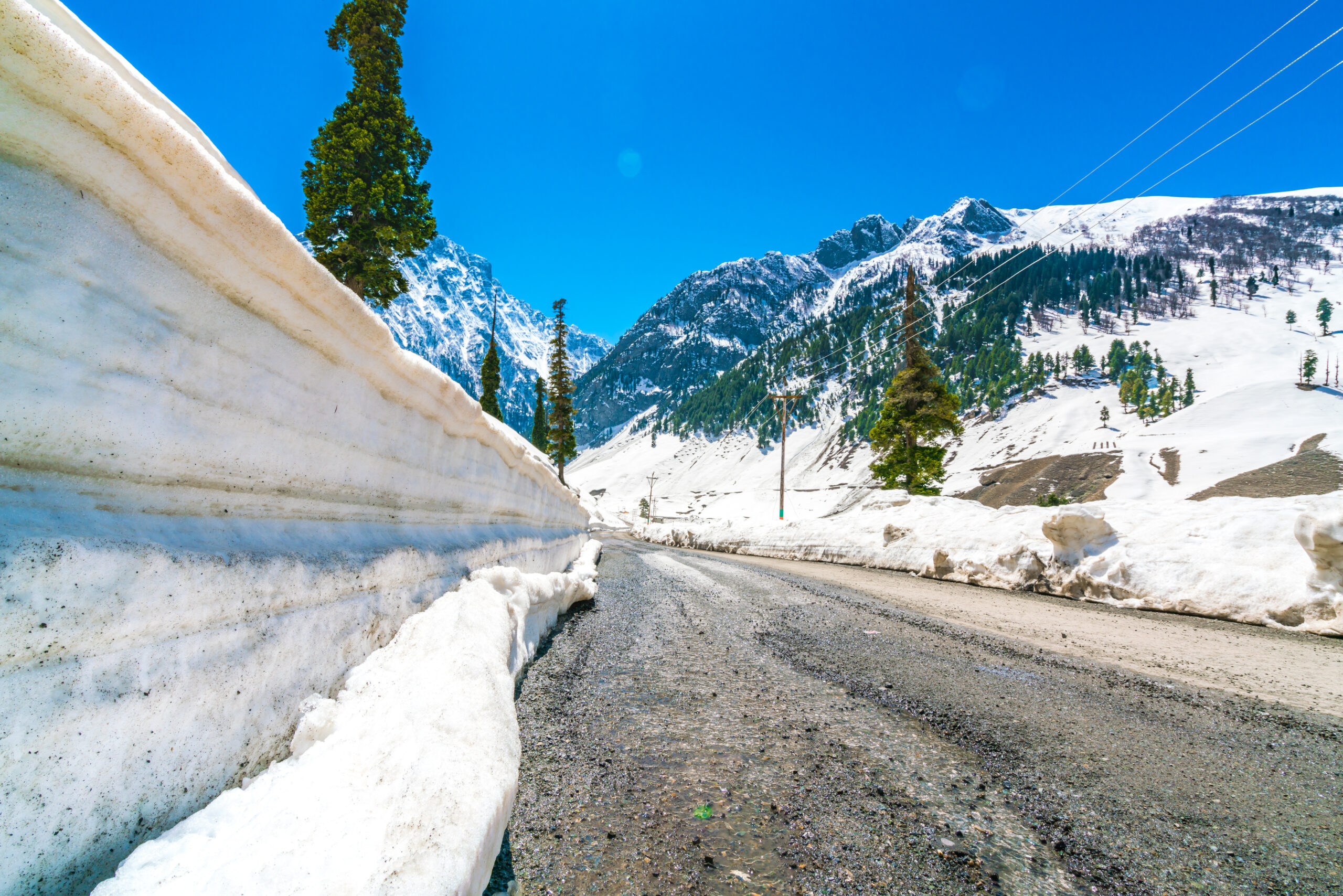
Ladakh is far more restrictive. The high mountain passes connecting Leh to the rest of India are snowbound most of the year, and the region is only reliably accessible June to September. Outside this window, most hotels and routes simply close.
Combining both: June or September are the sweet spots — both regions are open, and you avoid the peak-July crowds that fill Ladakh’s short season.
Kashmir: What to See
Dal Lake, Srinagar — a houseboat stay on Dal Lake is the signature Kashmir experience. Mornings on the lake bring the floating vegetable market, where vendors trade produce boat-to-boat before dawn.
Mughal Gardens — Shalimar Bagh and Nishat Bagh, terraced 17th-century gardens built by Mughal emperors, are Srinagar’s other must-see, especially in spring bloom.
Gulmarg — a 90-minute drive from Srinagar, home to one of the world’s highest cable cars (the Gulmarg Gondola) and, in winter, genuine skiing.
Pahalgam — a quieter valley town, base for gentle treks and the starting point for the Amarnath pilgrimage route.
Ladakh: What to See
Pangong Lake — a 134km-long lake straddling the India-China border at 4,350m, famous for changing colour through the day. It is a full-day trip from Leh each way, so most itineraries include an overnight stay at the lake.
Nubra Valley — reached via Khardung La, once among the world’s highest motorable passes, Nubra offers cold-desert sand dunes and double-humped Bactrian camels, a striking contrast to the mountains around it.
Leh’s monasteries — Thiksey, Hemis and Shey monasteries are active Buddhist sites, not museum pieces, with genuine daily prayer ceremonies visitors can observe.
Altitude in Ladakh: What You Need to Know
Leh sits at 3,500m, and Pangong Lake reaches 4,350m — both genuinely high enough to affect unacclimatised travellers with headaches, nausea, or breathlessness. The standard precaution is a mandatory rest day in Leh immediately after arrival, before any sightseeing or altitude gain. We build this into every Ladakh itinerary regardless of how short the trip is — skipping it is the single most common cause of a spoiled Ladakh trip.
Other precautions: avoid alcohol on your first two days, drink more water than feels necessary, and ascend gradually rather than jumping straight to Khardung La or Pangong Lake on day one.
Suggested 12-Day Kashmir and Ladakh Itinerary
Days 1–4 — Kashmir: Arrive Srinagar, houseboat stay on Dal Lake, day trip to Gulmarg, Mughal gardens, optional Pahalgam excursion.
Day 5 — Transfer: Fly Srinagar to Leh (road option available but adds a day via Kargil).
Day 6 — Leh acclimatisation: Mandatory rest day — gentle walk through Leh market, no strenuous activity.
Days 7–8 — Nubra Valley: Cross Khardung La, overnight among the sand dunes, camel ride, return via Leh.
Days 9–10 — Pangong Lake: Full day drive, overnight lakeside in a heated tent, sunrise over the lake.
Days 11–12 — Leh and departure: Visit Thiksey and Hemis monasteries, final shopping, departure.
Permits for Ladakh
Foreign nationals require an Inner Line Permit for Pangong Lake, Nubra Valley, and Khardung La — areas near the India-China and India-Pakistan borders. Indian citizens need a similar permit for the same zones. These are arranged locally in Leh and typically issued within a day; we handle the full application as part of any Ladakh itinerary, so this is not something clients need to organise themselves.
How We Help
Before you travel, check our India visa guide for UK citizens if you’re travelling from the UK, so your visa is sorted before your trip. We have organised private Kashmir and Ladakh itineraries for over 35 years, with particular attention to altitude pacing — the detail most self-planned trips get wrong. Every itinerary includes permit handling, acclimatisation scheduling, and a private vehicle with a driver experienced on Ladakh’s mountain roads.
Plan Your Kashmir and Ladakh Trip
Tell us your travel dates and we will build a Kashmir and Ladakh itinerary with proper altitude pacing built in. Ministry of Tourism recognised. Est. 1991.
Frequently Asked Questions
What is the best time to visit Kashmir and Ladakh?
Kashmir: April to October. Ladakh: June to September only, since mountain passes stay snowbound the rest of the year.
Can Kashmir and Ladakh be visited together?
Yes — the most popular route flies into Srinagar for Kashmir, then continues to Leh for Ladakh, either by a 1-hour flight or a 2-day drive via Kargil.
Is altitude sickness a concern in Ladakh?
Yes. Leh sits at 3,500m. A mandatory rest day on arrival, avoiding alcohol initially, and gradual ascent are the standard precautions.
How many days do you need for Kashmir and Ladakh?
10–14 days for both regions comfortably; 5–7 days if visiting only one.
Do foreign tourists need a permit for Ladakh?
Yes, an Inner Line Permit is required for Pangong Lake, Nubra Valley, and Khardung La — arranged locally, typically within a day.