
{
"@context":"https://schema.org",
"@type":"TouristTrip",
"name":"Shimla Colonial Charm Getaway",
"description":"A guide-style Shimla holiday blending colonial history, heritage walks, local food stories, Jakhu legends and the UNESCO Kalka–Shimla Railway.",
"provider":{"@type":"TravelAgency","name":"Sanoli India Tours","telephone":"+919717278522","email":"sanoliindiatour@gmail.com"},
"touristType":"International travellers",
"inLanguage":"en-GB",
"url":"https://sanoliindiatour.com/packages/shimla-colonial-charm-getaway",
"aggregateRating":{"@type":"AggregateRating","ratingValue":"4.9","reviewCount":"86","bestRating":"5"}
}
{
"@context":"https://schema.org",
"@type":"BreadcrumbList",
"itemListElement":[
{"@type":"ListItem","position":1,"name":"Home","item":"https://sanoliindiatour.com/"},
{"@type":"ListItem","position":2,"name":"Shimla Packages","item":"https://sanoliindiatour.com/packages/"},
{"@type":"ListItem","position":3,"name":"Shimla Colonial Charm Getaway","item":"https://sanoliindiatour.com/packages/shimla-colonial-charm-getaway"}
]
}
{
"@context":"https://schema.org",
"@type":"FAQPage",
"mainEntity":[
{"@type":"Question","name":"Why is Shimla called a colonial hill station?","acceptedAnswer":{"@type":"Answer","text":"Shimla rose to prominence during the British Raj and became the summer capital of British India. Many landmarks on the Ridge, Mall Road and Observatory Hill still preserve that era's architecture and walking culture."}},
{"@type":"Question","name":"Is the Kalka–Shimla railway included in the Shimla Colonial Charm Getaway?","acceptedAnswer":{"@type":"Answer","text":"It can be included in the plan, and it is one of the strongest heritage experiences in Shimla. The UNESCO-recognised line is ideal for travellers who enjoy slow travel and scenic engineering."}},
{"@type":"Question","name":"Which places are best for first-time visitors?","acceptedAnswer":{"@type":"Answer","text":"The Ridge, Christ Church, Mall Road, Viceregal Lodge, Gaiety Heritage Cultural Complex and Jakhu Hill give first-time visitors the best mix of history, views, culture and easy walking routes."}},
{"@type":"Question","name":"What local food should travellers try in Shimla?","acceptedAnswer":{"@type":"Answer","text":"Try siddu with ghee, babru, chana madra, Himachali dham, tudkiya bhath and seera. These dishes tell the story of mountain kitchens, festivals and the town's slower rhythm."}},
{"@type":"Question","name":"Is Shimla suitable for families and older travellers?","acceptedAnswer":{"@type":"Answer","text":"Yes. The itinerary can be paced gently, with heritage drives, short walks, scenic stops and flexible rest time. The walking streets are easy to enjoy when planned properly."}},
{"@type":"Question","name":"What is special about Christ Church?","acceptedAnswer":{"@type":"Answer","text":"Christ Church is one of Shimla's signature landmarks, completed in 1857. It is known for its neo-Gothic form, stained-glass windows, clock tower, pipe organ and evening illumination."}},
{"@type":"Question","name":"What makes this page different from a standard tour page?","acceptedAnswer":{"@type":"Answer","text":"This page is designed like a guidebook. It explains the history, living culture, food, local beliefs, hidden corners and practical walking notes."}}
]
}
Shimla Colonial Charm Getaway
A hill-station package written like a guidebook: the Ridge, the Mall, Christ Church, Viceregal Lodge, Jakhu Hill and the old railway story all sit inside one elegant walk through time. This is the Shimla most visitors feel, but rarely get told about.
🚂 UNESCO Kalka–Shimla Railway
🍲 Food, stories and local beliefs

A hill station where the architecture still teaches the story.
Shimla became the summer capital of British India, and the city never quite lost the rhythm of that era. The Ridge remained a public stage, the Mall became a walking promenade, Christ Church became a landmark, and the toy train turned the journey itself into part of the experience.
What most travellers remember first is the view. What they remember later is the feeling of moving through a town built for slow walking, conversation and public life. The car-free stretch at the heart of Shimla, the colonial facades, the cold evening light on the church tower and the scent of wool, wood and tea all make the place feel like a chapter that stayed open.
This package is written to do more than list attractions. It explains why the church stands where it does, why the Ridge works as a social centre, how the Viceregal Lodge changed Indian political history, and why a simple cup of tea on Mall Road feels different here. It is a holiday page and a little field guide at the same time.
Short, layered, walkable
Ideal when travellers want colonial architecture, gentle walking routes, warm cafés and a strong sense of place.
History made simple
Visitors learn the town through stories: bells, libraries, railways, offices, legends and public squares.
Slow, elegant, reflective
Perfect for UK, Europe, Australia and North American travellers who enjoy heritage-rich destinations.
Six stops that explain Shimla in one glance.
Each highlight is more than a photo stop. Together they show how Shimla grew as a political capital, a cultural promenade and a mountain town that still feels alive at walking speed.
The Ridge
Open civic space, festival ground and the town’s visual centre.
Mall Road
Pedestrian shopping street with cafés, woollens and old-world charm.
Christ Church
Neo-Gothic landmark, lit beautifully at night.
Viceregal Lodge
Former Viceroy’s residence and a major administrative heritage site.
Jakhu Hill
Highest peak in Shimla with the famous Hanuman temple.
Kalka–Shimla Railway
Slow travel with tunnels, bridges and mountain curves.

Upload PHOTO_RIDGERidge exterior or wide landscape orientation
The promenade that turned a hill town into a public square.
In many mountain towns, streets connect places. In Shimla, the walk itself is the place. The Ridge gives the town its open centre: a broad, wind-brushed stage where festivals, views, conversations and public life naturally gather. The Mall drops slightly below it and stretches like a social artery, lined with shops, tea counters, colonial facades and everyday mountain life.
The Mall is a pedestrian street and the Ridge acts as a cultural open space, which is why both feel calmer than most Indian high streets.
Slip into Lakkar Bazaar for wooden souvenirs and simple carpentry details that often go unnoticed. The craft is small, but it helps explain why Shimla’s old market culture still feels handmade rather than polished to perfection.

Upload PHOTO_CHURCHChurch exterior or wide landscape orientation
The tower, the bell and the night light that changed the skyline.
Christ Church was completed in 1857 and remains one of Shimla’s most recognisable landmarks. It is the second oldest church in North India, and its neo-Gothic design, clock tower, pipe organ and stained-glass windows give the Ridge its most enduring silhouette. The building is also one of the best places in town to understand how British-era architecture settled into the Himalayas without losing its sense of ceremony.
Pause for ten quiet minutes inside, then walk back out toward the Ridge. That short shift from silence to open air is one of the best ways to feel Shimla’s contrast between inward worship and outward promenade.
Visit at a quieter hour, then continue to the nearby State Library façade and the old timber-and-stone buildings around the church. The combination gives a better reading of colonial Shimla than the church alone.
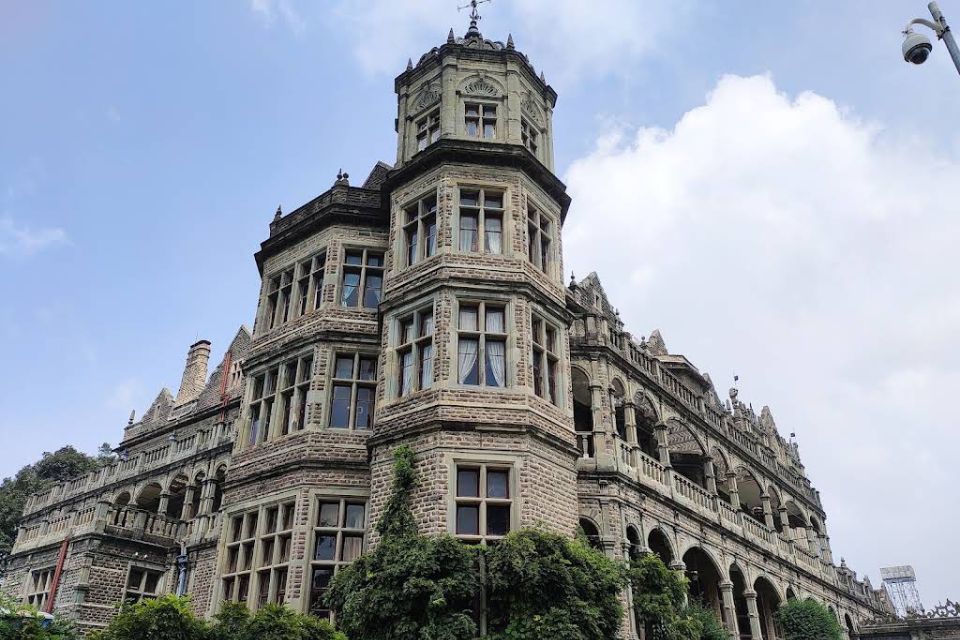
Upload PHOTO_VICEREGALViceregal exterior or wide landscape orientation
Where the town’s political history became architectural memory.
Completed in 1888 and designed by Henry Irwin, the Viceregal Lodge was the residence of the British Viceroy and later became a major institutional heritage site. Built in Jacobethan style, it helped shape the administrative story of the region. Today, the building feels almost over-documented in the best possible way: corridors, photographs, lawns, stonework and a long historical shadow that is impossible to miss.
Many travellers know the facade, but few realise how much of India’s administrative history passed through its corridors.
Look for the less obvious heritage around Observatory Hill and the route toward Summer Hill. The town’s deeper story is not only in the famous monuments, but also in the way the landscape carries them.
Upload PHOTO_JAKHUJakhu exterior or wide landscape orientation
Where faith, folklore and architecture meet above the town.
Jakhu Hill gives Shimla its highest point and its oldest mountain legend in everyday circulation. The hill is associated with Lord Hanuman and the Ramayana story of the search for Sanjeevani. Below and around the central heritage zone, Shimla also hides stories in its castles: Gorton Castle with its Gothic presence and Bantony Castle with its British-era residence history. These are the places that turn a trip into a deeper reading of the town.
Jakhu is best approached as a cool-morning visit, especially if you want the hill and the town below to look softened by mist.
Include a short stop at Gorton Castle or Bantony Castle if the itinerary allows. These are the kind of places that most standard packages skip, yet they add the missing middle to Shimla’s heritage story.
How to read Shimla like a local, not just visit it like a checklist.
A good trip tells you what to see. A great trip tells you what it means. These notes are built to do both.
The town that was built for walking
Shimla’s central identity is pedestrian. The Mall and Ridge are not just tourist areas; they are part of the town’s original social logic. That is why the city still rewards those who slow down, look up and stop at the edges rather than rush through the centre.
The railway as a destination, not only transport
The Kalka–Shimla Railway became famous because it solved the hill’s access problem, but travellers remember it because the journey feels like a moving history lesson. Bridges, tunnels and curves make the climb part engineering, part romance and part mountain theatre.
The dishes that explain the hill kitchen better than any menu board.
These are not filler snacks. They are linked to weather, labour, festivals and the old habit of making food that lasts through cold evenings.
Siddu
A steamed wheat bread often served warm with ghee or chutney. Mountain staple that teaches patience: dough that rests, rises and becomes something softer than it began.
Babru
A Himachali snack with a crisp exterior and spiced black gram filling. A tea-time food with its own local confidence and texture.
Chana Madra
Chickpeas simmered in a yoghurt-based gravy, rich but not heavy. A good way to understand mountain spice as warmth, not just heat.
Himachali Dham
The traditional feast of the region, usually served on special occasions. Social food: a meal that asks you to sit, share and take the afternoon slowly.
Tudkiya Bhath
A distinctive rice dish layered with mountain spices and local cooking logic. Simple at first taste, then fuller and warmer than travellers expect.
Seera / Mitha
Sweet, comforting and often local to celebrations. A soft ending for a cold-weather meal.
What travellers usually miss when they only collect photos.
Shimla’s deeper meaning is not only in the buildings. It lives in the way people speak about the town, walk through it and remember it.
Christ Church as a memory anchor
Locals often use the church as a landmark because it is more than a monument. It is part of the town’s mental map.
Jakhu and the Ramayana horizon
Jakhu Hill stays powerful because the legend is tied to the search for Sanjeevani. That makes the hill both scenic and sacred.
Evening walking as a social ritual
Shimla’s promenade culture is part of the town’s identity. People come out to walk, see, be seen and share the mountain air.
The old capital effect
Being the summer capital changed the way Shimla grew: administration, leisure, churches, schools and clubs all ended up sharing the same hill landscape. That is why the town looks ceremonial even when nothing formal is happening.
Why the town still feels intimate
Despite its fame, Shimla keeps a close scale in the centre. Streets narrow, views open and close, and the city keeps inviting the traveller back into a slower pace. That intimacy is a big part of its charm.
A gentle 4-day rhythm that lets the town unfold properly.
This is structured for travellers who want a calm, well-told journey rather than an overfilled sightseeing rush.
Day 1 · Arrive and walk the historic centreArrival, acclimatisation, first promenade
- Check in, rest and take an easy first walk to understand the town’s slope and layout.
- Begin at the Ridge, then move toward Christ Church for the first historical anchor.
- End the evening on Mall Road with tea, woollens and a quiet dinner.
Day 2 · Heritage and civic historyViceregal Lodge, Gorton Castle, cultural reading
- Visit Viceregal Lodge and listen to the building’s political history rather than rushing through the rooms.
- Add Gorton Castle and, if time permits, Bantony Castle for lesser-seen heritage.
- Use the evening for a café break or a slow ridge-side stroll.
Day 3 · Jakhu Hill and the town above the townTemple, legend, skyline
- Take an early visit to Jakhu Hill when the air is clearer and the town below is softer in light.
- Hear the Ramayana-linked story of Hanuman and the mountain stop.
- Finish with views back toward the colonial centre and the church tower.
Day 4 · Toy train slow travel or relaxed departureHeritage rail or gentle morning
- Add the Kalka–Shimla Railway for a full heritage travel finish if your schedule allows.
- Use the route as a moving gallery of tunnels, bridges and mountain curves.
- For a softer pace, enjoy breakfast, last photos and a final walk before departure.
What the package should feel like: simple, guided, complete.
The goal is to keep the trip smooth while leaving room for discovery, photo stops and actual time to absorb the place.
What travellers usually say after a Shimla stay done properly.
These are the kind of reactions this route often inspires: calm, surprised and grateful that the town was explained rather than merely visited.
“It felt less like a tour and more like being guided through a living history book. The Ridge and the church at night were unforgettable.”
“The package explained why places matter, not only where they are. Viceregal Lodge and the toy train became much more meaningful.”
“We loved the food stories, the slower pace and the hidden heritage stops. This is the kind of trip you remember for the feeling, not just the photos.”
Answers that help travellers plan with confidence.
Seven questions, full answers, no fluff.
Three more journeys that fit the same guidebook mindset.
Each card links the traveller into a different mood: mountains, altitude or water.

Manali–Solang Cozy Getaway
For travellers who want soft adventure, scenic valleys and a slower alpine pace.

Ladakh High-Altitude Overland Tour
A road story built around passes, monasteries, desert light and long horizons.
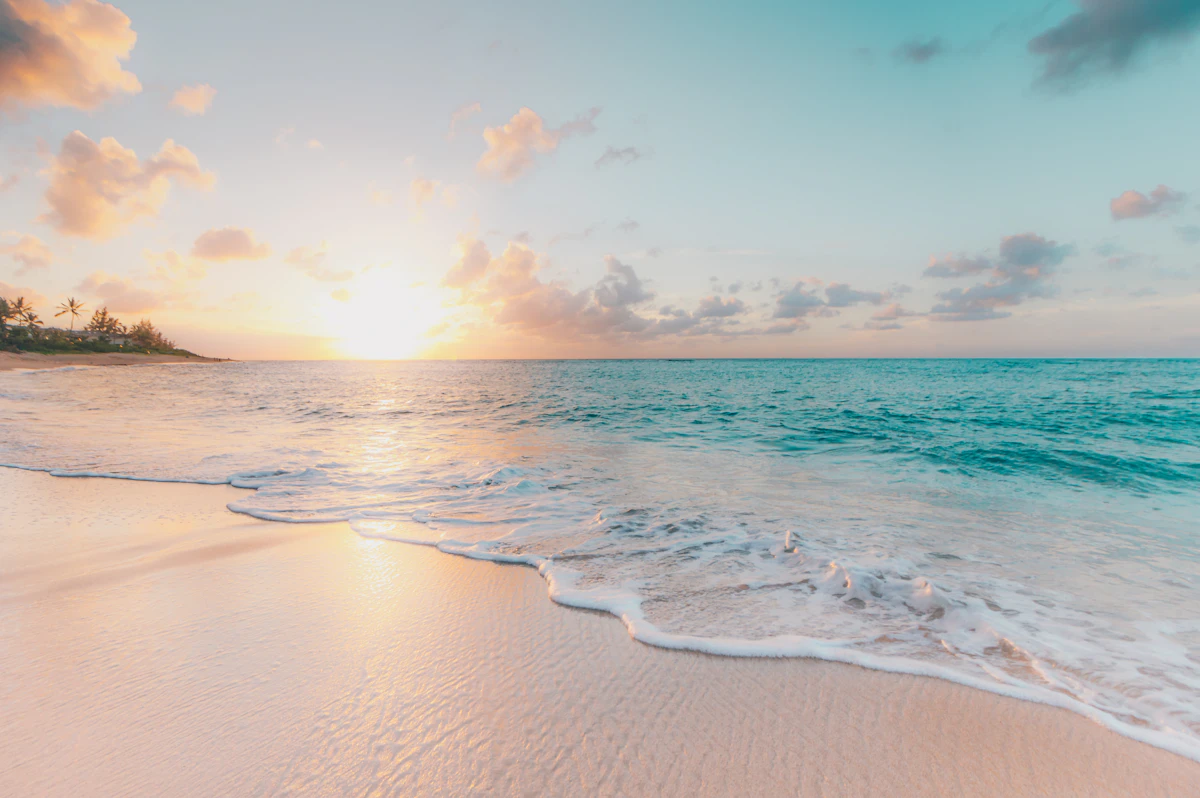
Poovar Backwater Sea Confluence
A water-and-sand landscape that suits travellers drawn to soft, atmospheric travel.
Ready to turn Shimla into a story you can walk through?
Send the enquiry and we will shape the route, stay style and pace around the traveller — with heritage, food, comfort and the right amount of unhurried time built in.
(function(){ const items = document.querySelectorAll('.shc-faq-item'); items.forEach((item) => { const btn = item.querySelector('button'); btn.addEventListener('click', () => { const isOpen = item.classList.contains('open'); items.forEach(i => i.classList.remove('open')); if (!isOpen) item.classList.add('open'); }); });
const nodes = document.querySelectorAll('.shc-reveal'); const io = new IntersectionObserver((entries) => { entries.forEach(entry => { if (entry.isIntersecting) { entry.target.classList.add('in'); io.unobserve(entry.target); } }); }, { threshold: 0.12 }); nodes.forEach(n => io.observe(n));
document.querySelectorAll('.shc-photo img, .shc-hero-photo img, .shc-rel-img img').forEach(img => { img.addEventListener('error', () => { const wrap = img.parentElement; const fallback = wrap.querySelector('.shc-photo-ph') || wrap.nextElementSibling; if (fallback) fallback.style.display = 'flex'; img.style.display = 'none'; }); }); })();